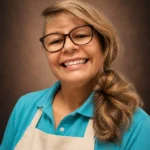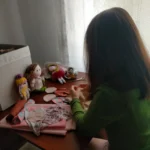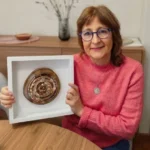

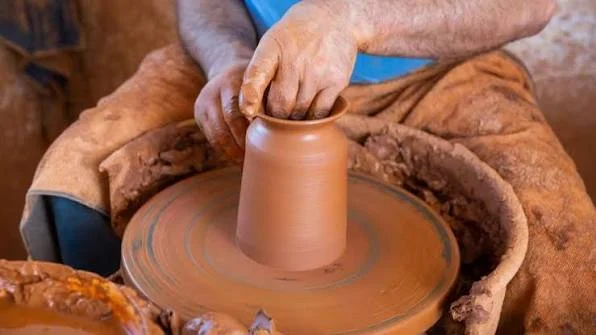
Almost everything changes: you know what the piece is made of, how long it took and how long it can last. And behind it there’s no longer a factory, but a person with a name, like Lau in Salvador da Bahia or Isabel in San Sebastián.
Every time you buy something, you also choose who makes it and how. With a handmade piece, that choice has a face.
Do you know what it’s made of?
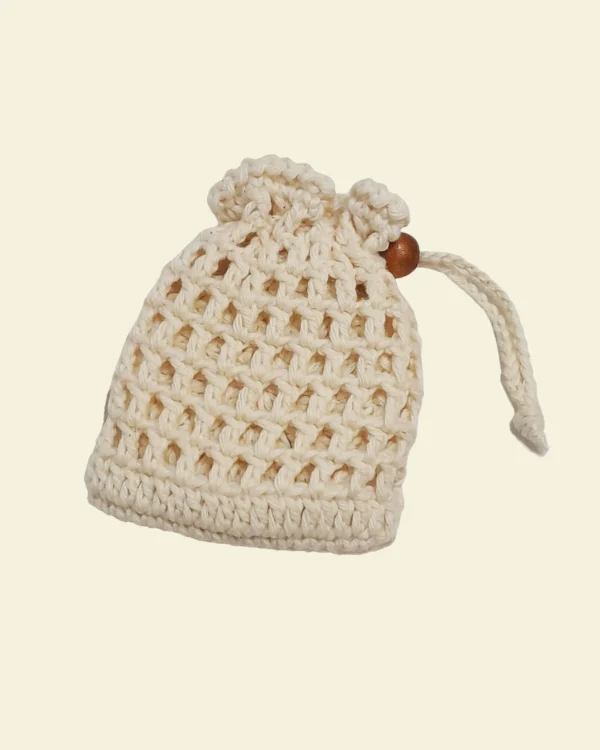
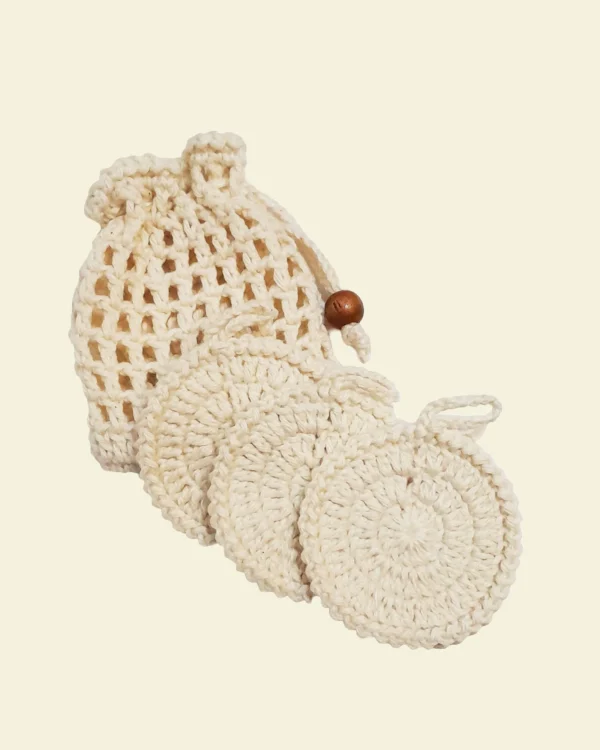
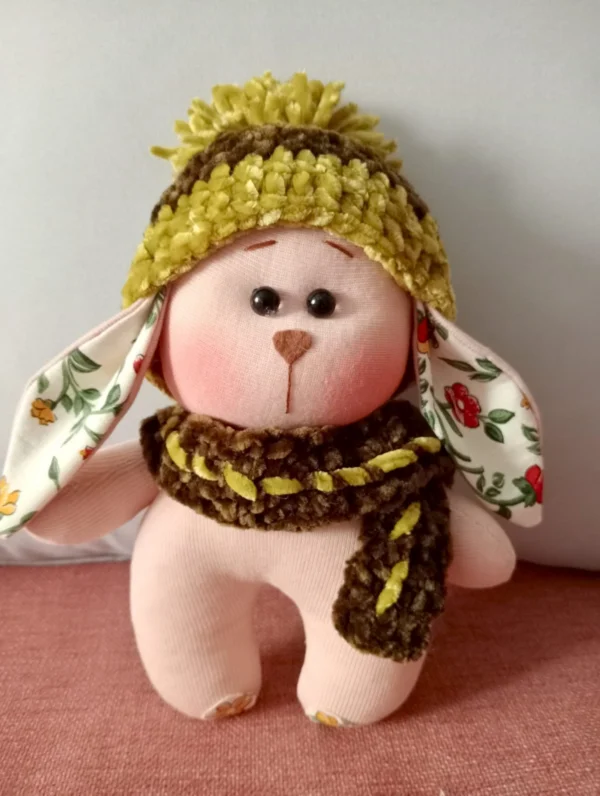
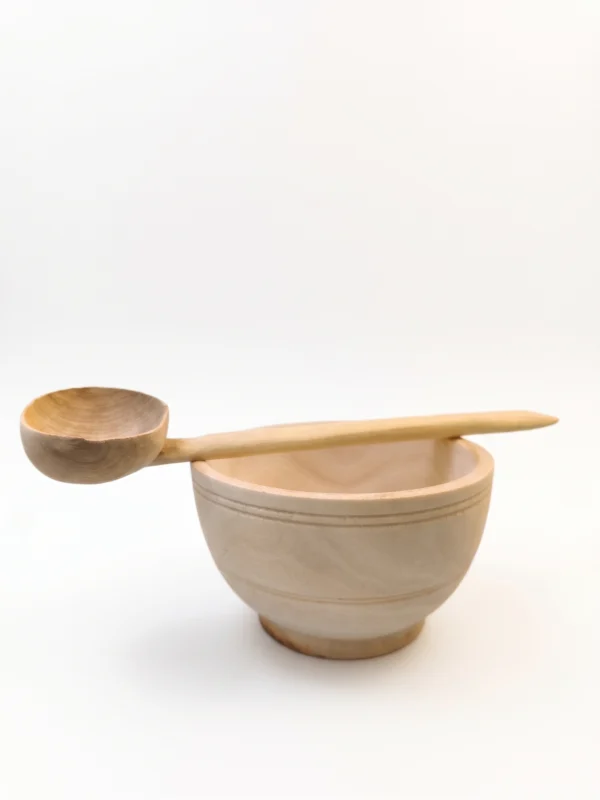
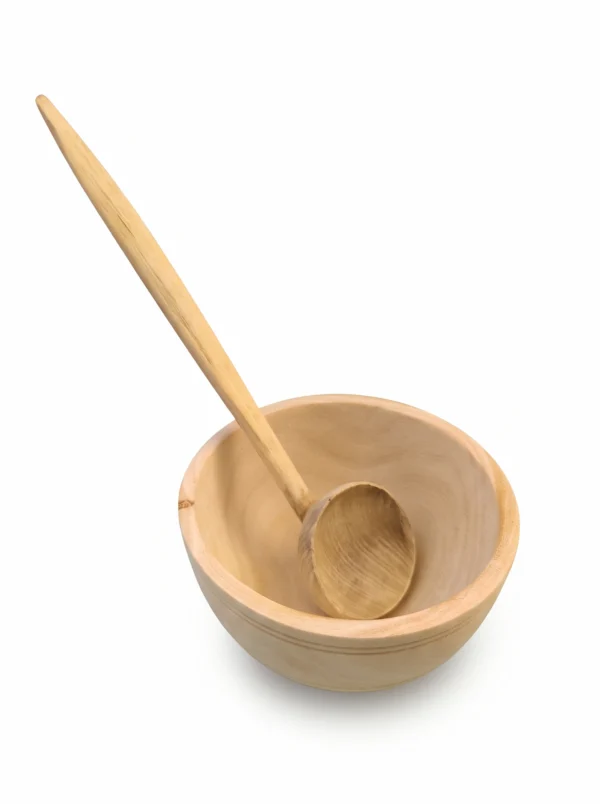
With a handmade piece, you do. Elena, of Micaela Atelier, sews her dolls from old clothes, fabric offcuts and leftover wool; sometimes with a bracelet someone forgot in a drawer. Lau crochets her pouches in cotton yarn. Mohamed and his father carve their bowls from walnut from the Rissani area. These are materials you can name, and whoever uses them knows where they come from.
How long does a handmade piece last?
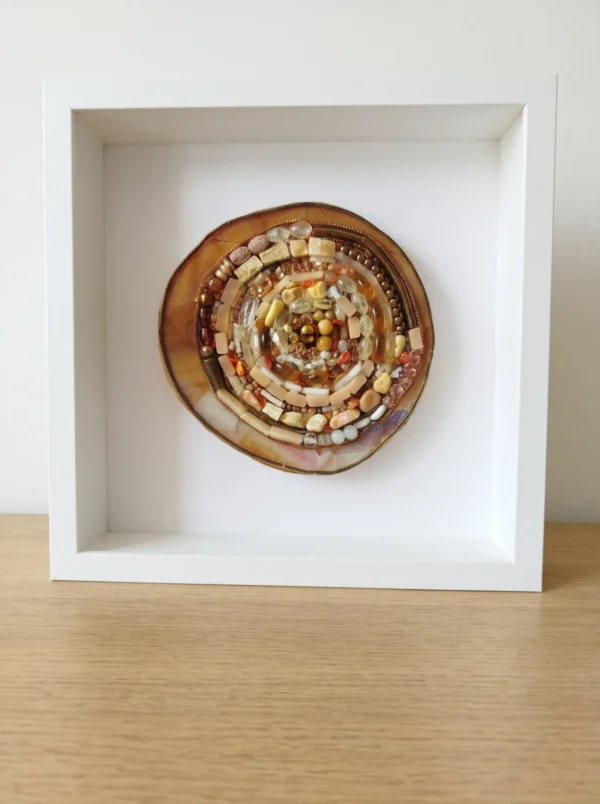
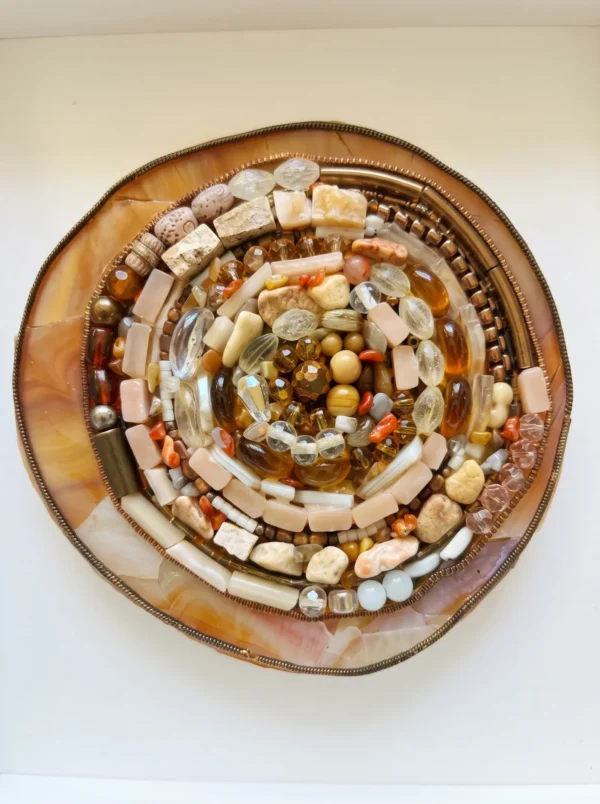
As long as you look after it. The walnut of the Rissani bowls darkens with use and gains character over the years. The make-up remover pads Lau crochets are washed and go back into their pouch instead of ending up in the bin every night. One of Isabel’s mosaics, with every tessera firmly set, can hang on the same wall for a lifetime. These are pieces made to stay.
Who is behind them?
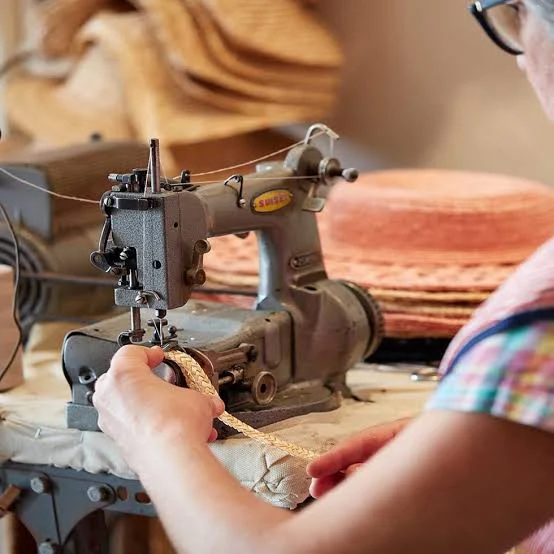
People with names who work at home or in their workshop. Amaia crochets t-shirt yarn bags in Saint-Jean-de-Luz, Elena paints watercolours in San Sebastián and Lau decorates boxes in a room of her house in Bahia. They make beautiful pieces that rarely travel beyond their own neighbourhood.
Why does Kambiun.shop exist?
Kambiun.shop is a Kambiun project. We look for people who work with their hands, we get to know their workshops and we bring their pieces to people who appreciate them. You choose the piece and you know who made it. If you have a question, the person who made it answers you.
Karen · Kambiun.shop