
Basque Country · Spain
San Sebastián
A shell-shaped bay, three hills and a city that celebrates to the beat of the drum.
The culture of San Sebastián
The place
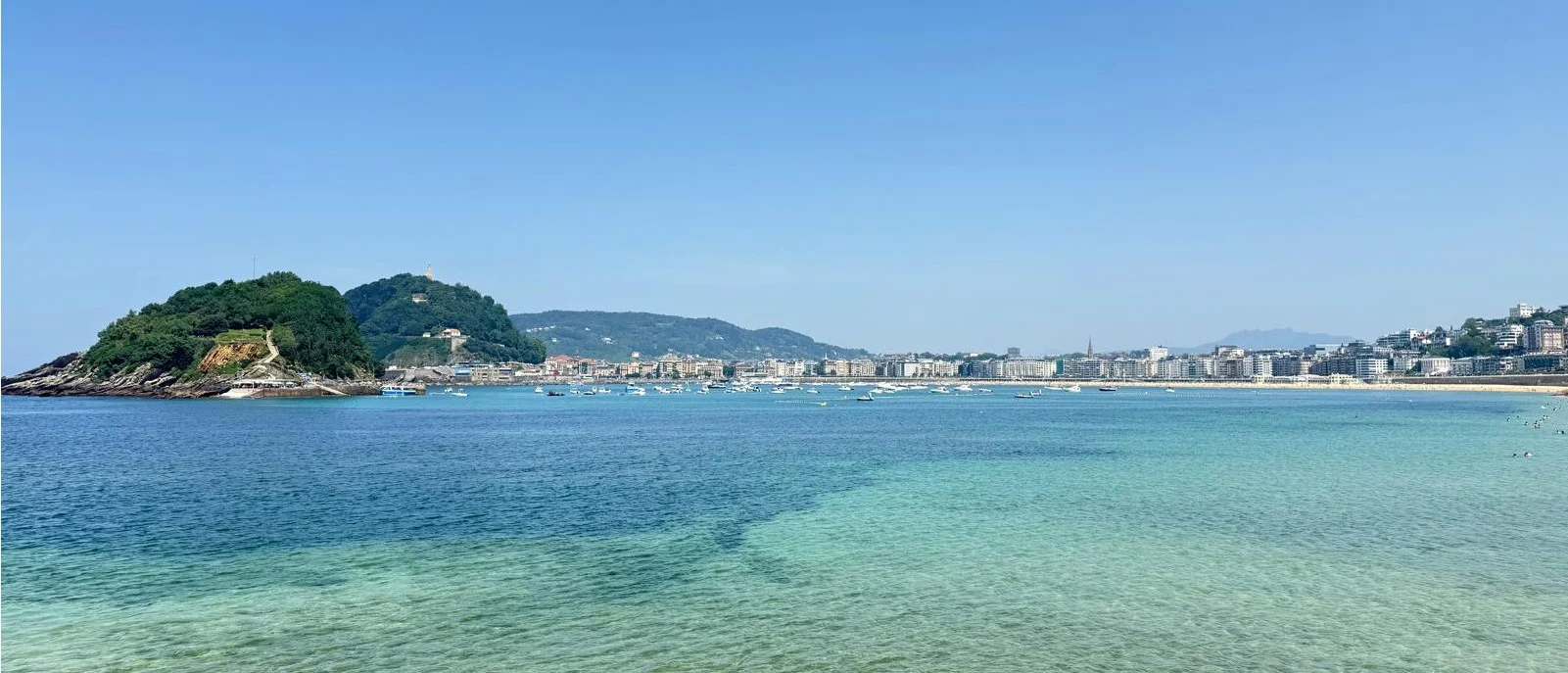
San Sebastián opens onto the Bay of Biscay through La Concha bay, with Santa Clara island in the middle and the Urgull and Igueldo hills on either side. It has three beaches right in the city, an Old Town of narrow streets full of pintxo bars and a sirimiri, a fine drizzle, that arrives without warning. It is the capital of Gipuzkoa, in the Basque Country, and in its streets you hear both Basque and Spanish.
A word of theirs Sirimiri The fine, almost invisible rain that soaks you before you notice.
- Name
- Donostia in Basque, San Sebastián in Spanish
- Where
- On the coast of Gipuzkoa, 20 km from France
- Population
- About 190,000
- Languages
- Basque and Spanish
- The big festival
- The Tamborrada, on 20 January
- At the table
- Pintxos in the Old Town
Traditions
- Gastronomic societiesGroups of friends who cook together in their txoko and share the table. They were born in San Sebastián at the end of the 19th century.
- PintxosIn the Old Town you go from bar to bar, standing up, with a pintxo and a txikito, a small glass of wine, in each one.
- The La Concha regattasOn the first two Sundays of September, the traineras, traditional rowing boats, race in the bay. They have been held since 1879.
- The CaldererosIn early February, groups of friends walk the streets banging pans and cauldrons, in memory of the travelling coppersmiths.
- Saint Thomas’ DayOn 21 December the city fills with stalls from the countryside: txistorra sausage, talo flatbread and cider.
Its history
San Sebastián was founded as a town around 1180 and grew facing the sea: port, fishing and trade. In 1813 a fire destroyed almost all of it and it was rebuilt. In the 19th century came sea bathing and the royal court, and with them the promenades, the palaces and the elegant air it has kept.
- Around 1180The King of Navarre grants it its town charter.
- 1813A fire devastates the city; every year, on 31 August, it is remembered with candles.
- 1845Queen Isabella II bathes at La Concha and San Sebastián becomes a holiday resort.
- 1879First trainera regattas in the bay.
- 1953The Film Festival is born.
- 1977Eduardo Chillida installs the Comb of the Wind at the end of Ondarreta beach.
- 2016European Capital of Culture.
- TodayIts makers still work by hand, in small batches.
Its crafts
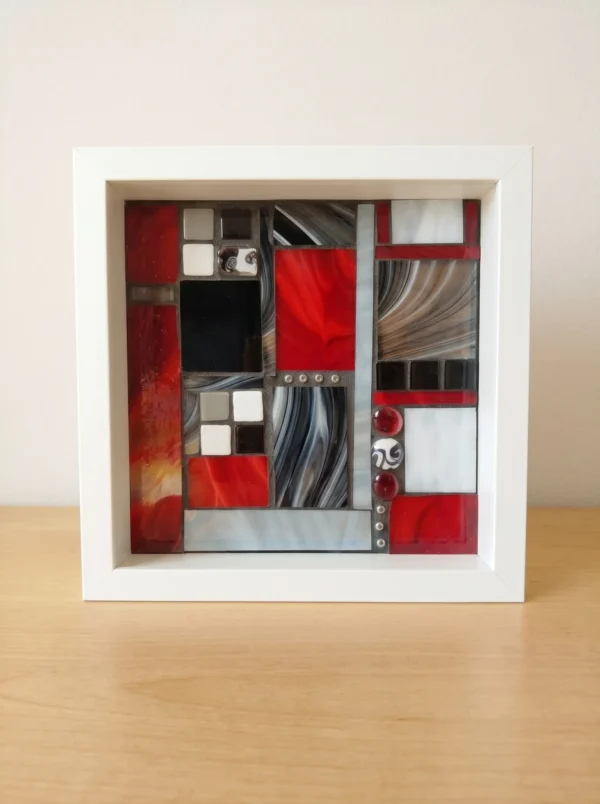
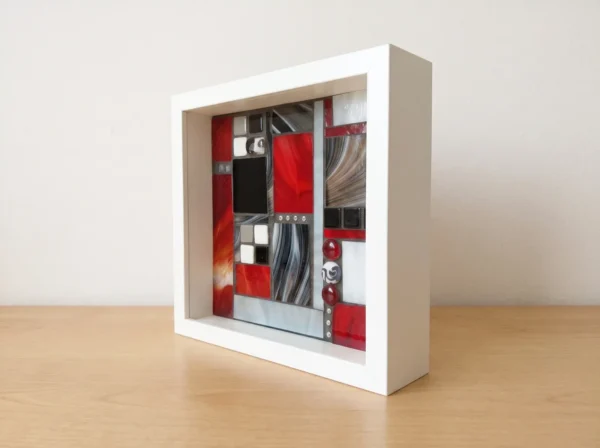
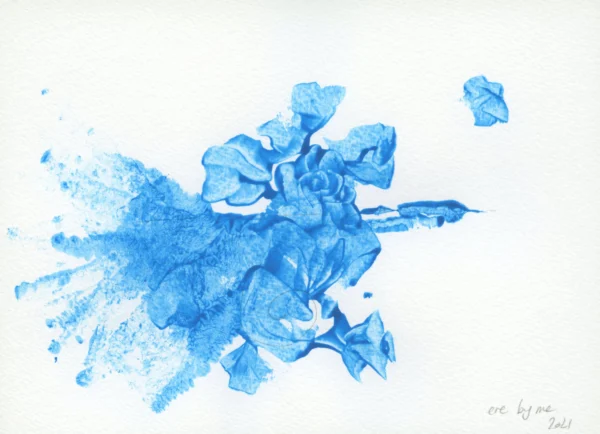
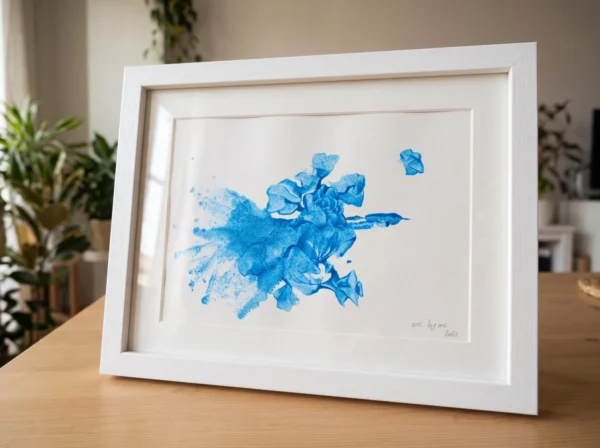
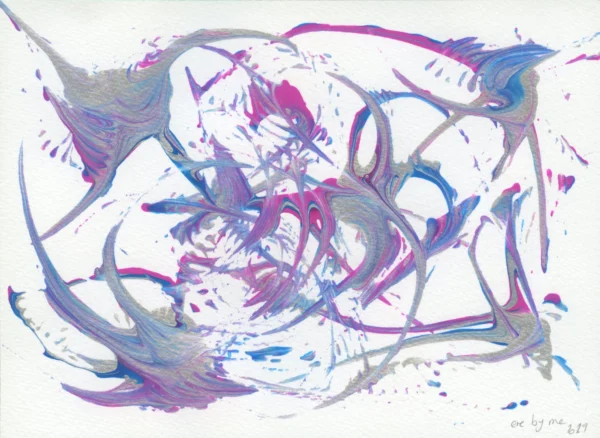
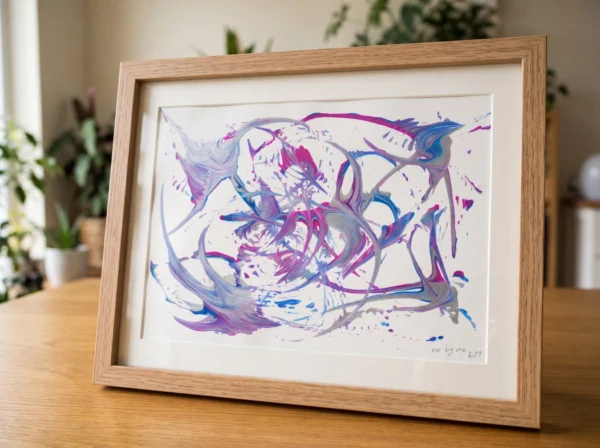
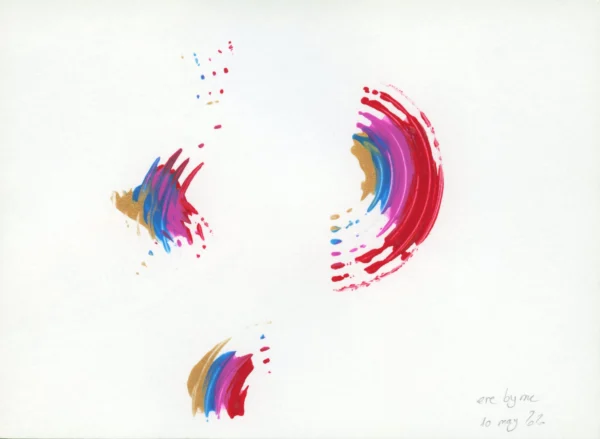
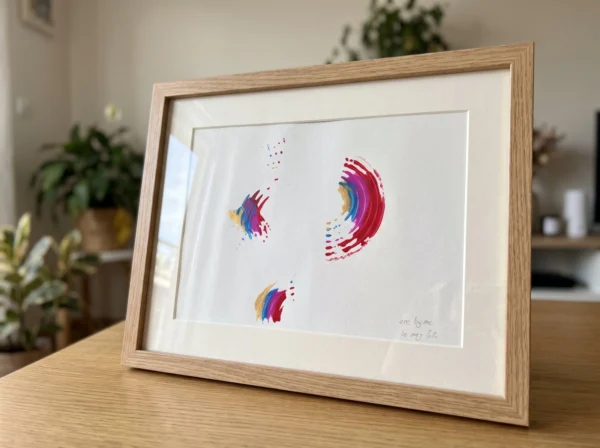
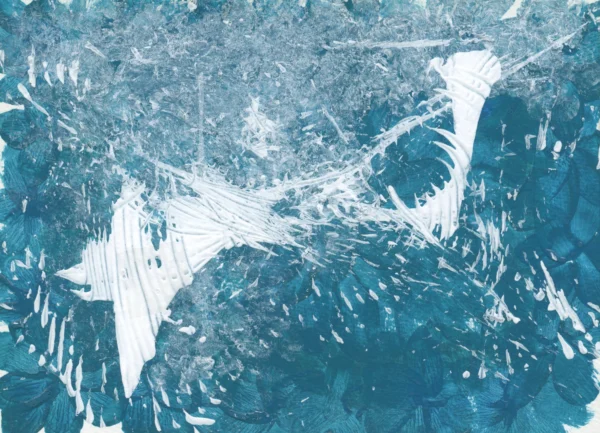
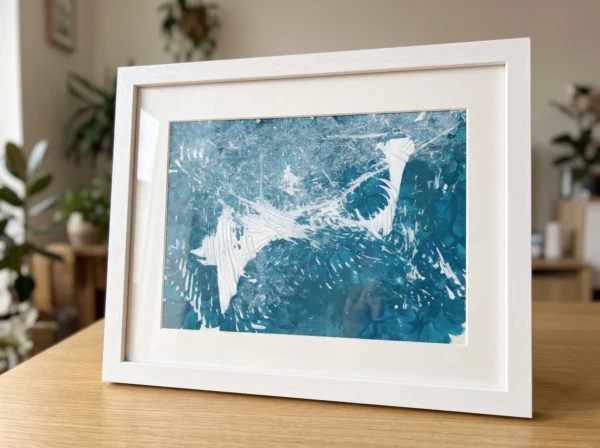
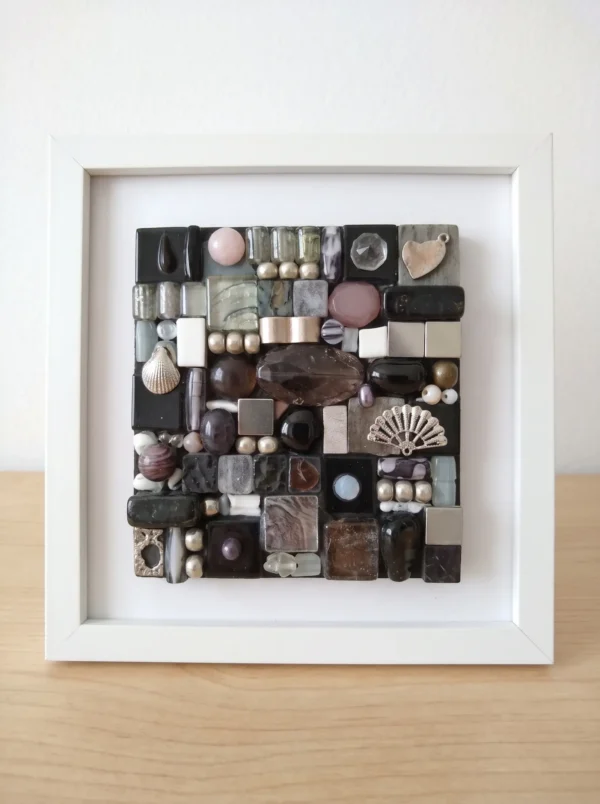
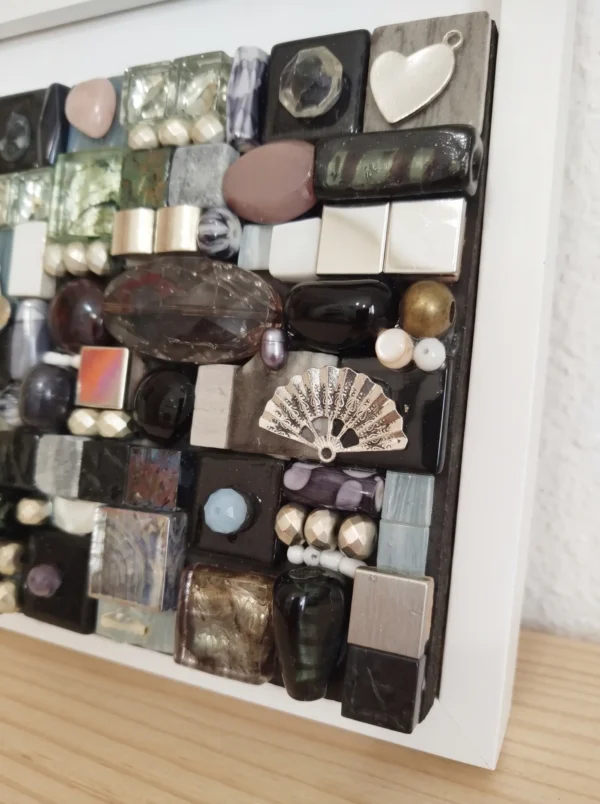
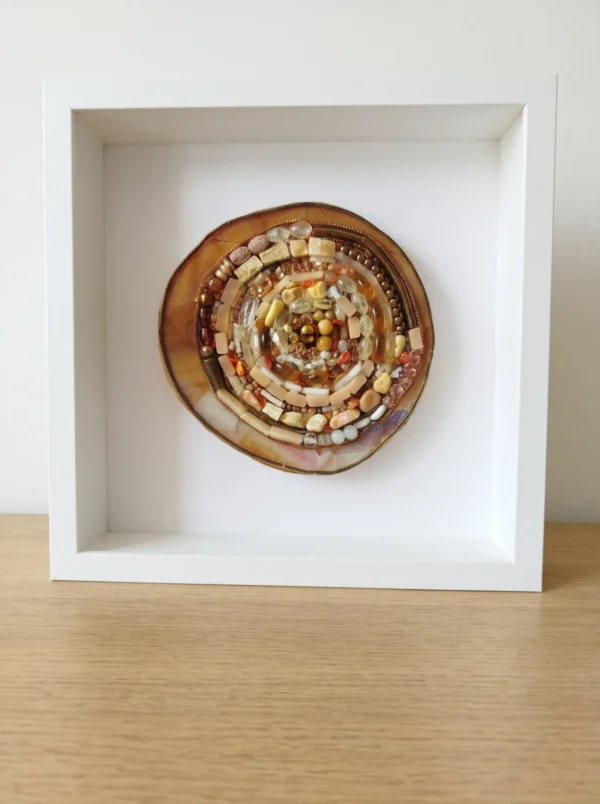
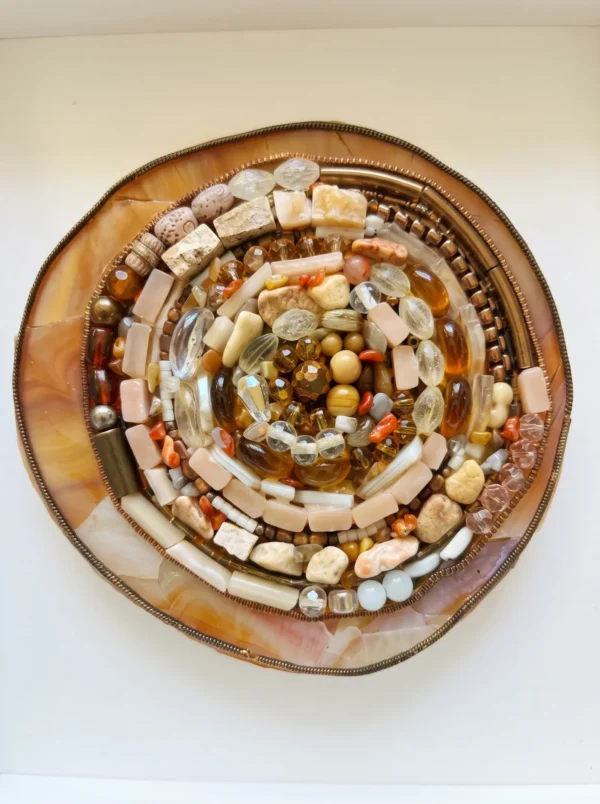
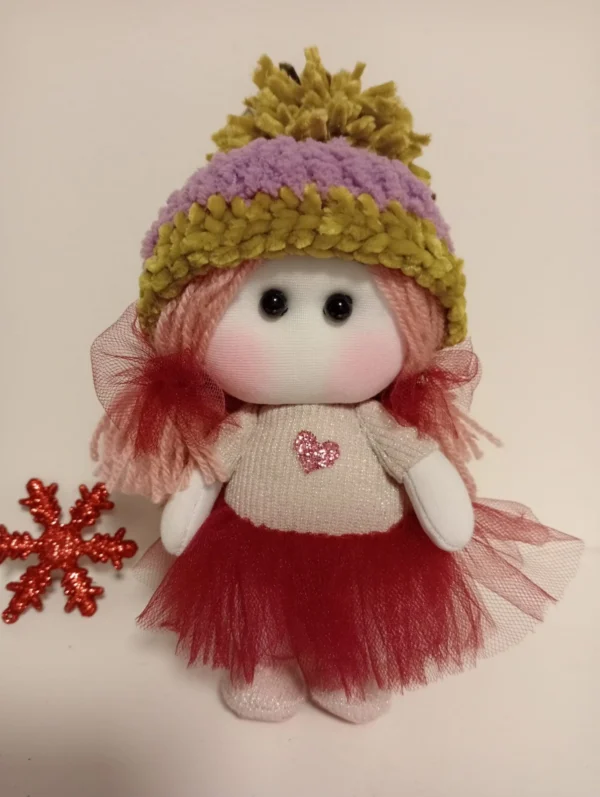
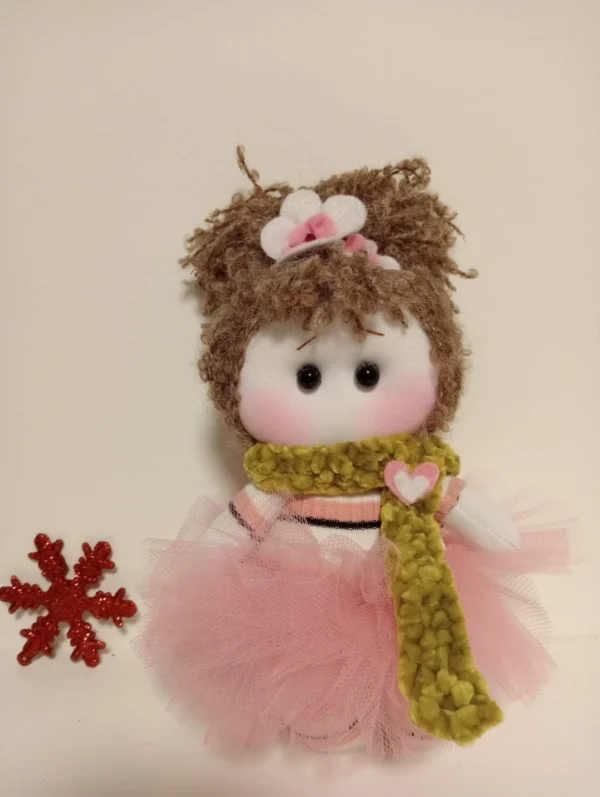
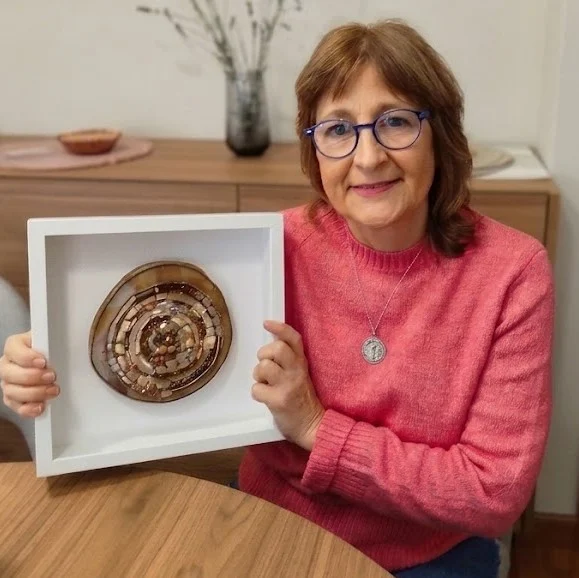
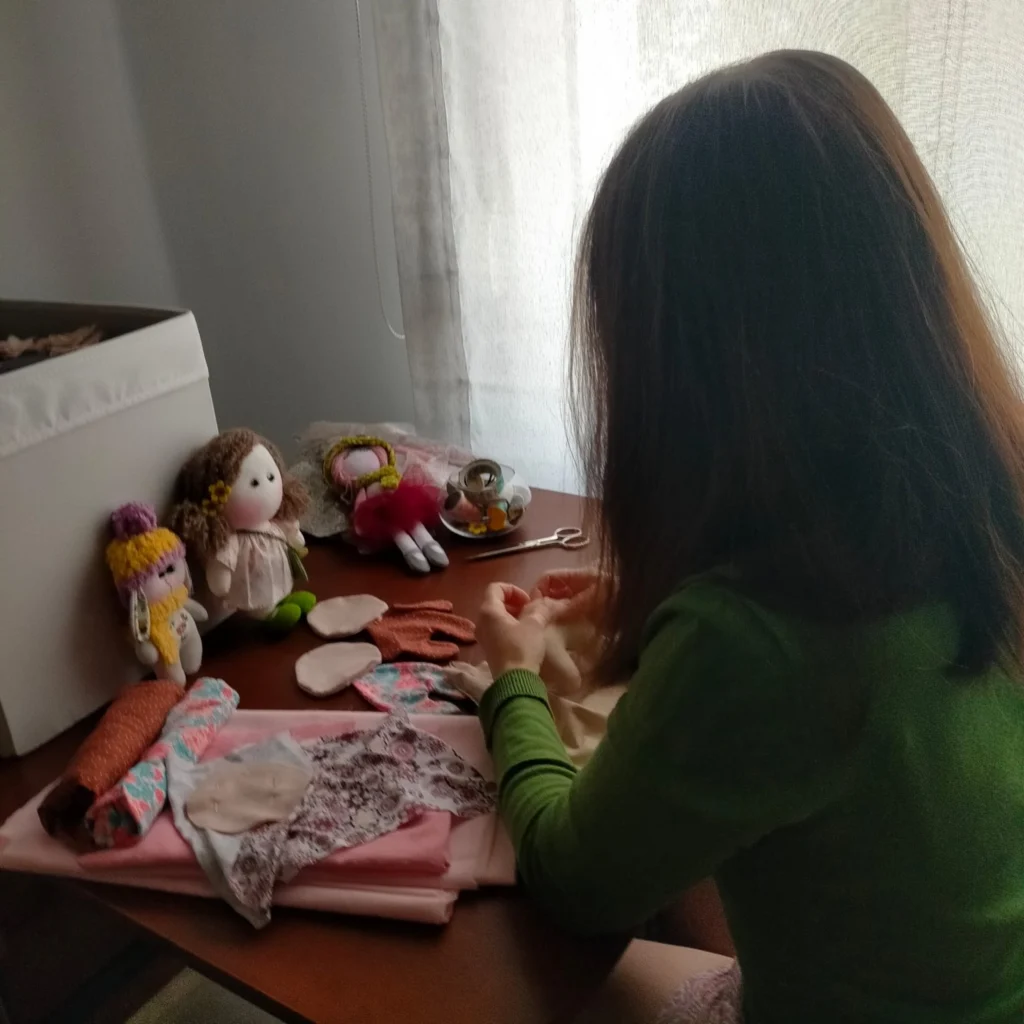
San Sebastián is a city of sculptors and painters: Eduardo Chillida, who took iron all the way to the rocks by the sea, was born here. At the port, nets were mended by hand and in the caseríos, the farmhouses around the city, people sewed, wove and embroidered at home. Our makers carry on that way of working: Isabel cuts glass for her mosaics, one Elena sews dolls with her mother’s embroidery threads and the other paints watercolours by her window.
Customs and festivals
Life happens in the street and around the table: the stroll along La Concha, the txikiteo in the Old Town, the lifelong group of friends. In August, Semana Grande fills the bay with fireworks; in September come the film festival and the traineras.
Who works in San Sebastián
Pieces from San Sebastián
-
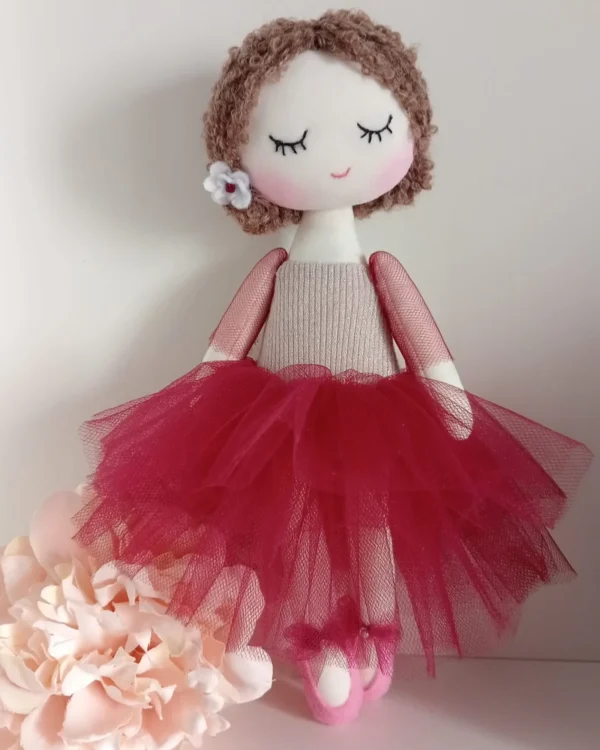
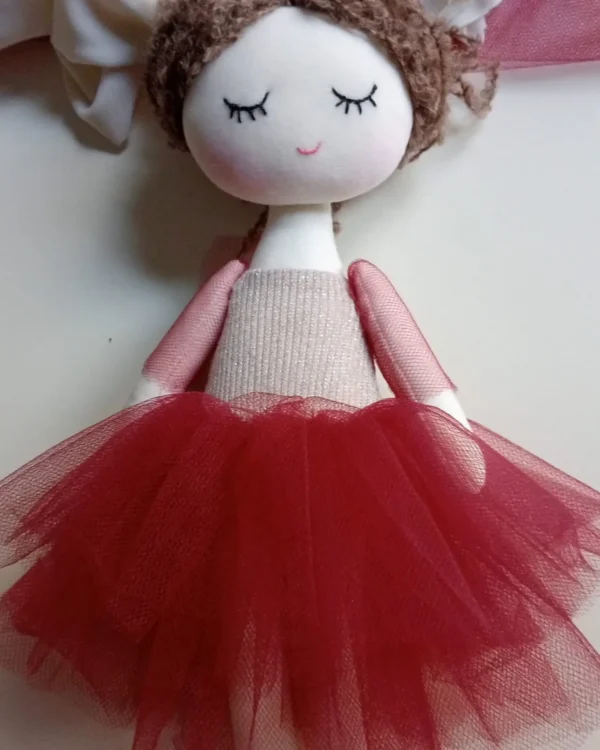 Coming soonMicaela Atelier · San SebastiánBallerina doll ‘Romantic tutu’Fabric, wool and tulle · handmadeBetween €75 and €95VAT includedLet me know
-
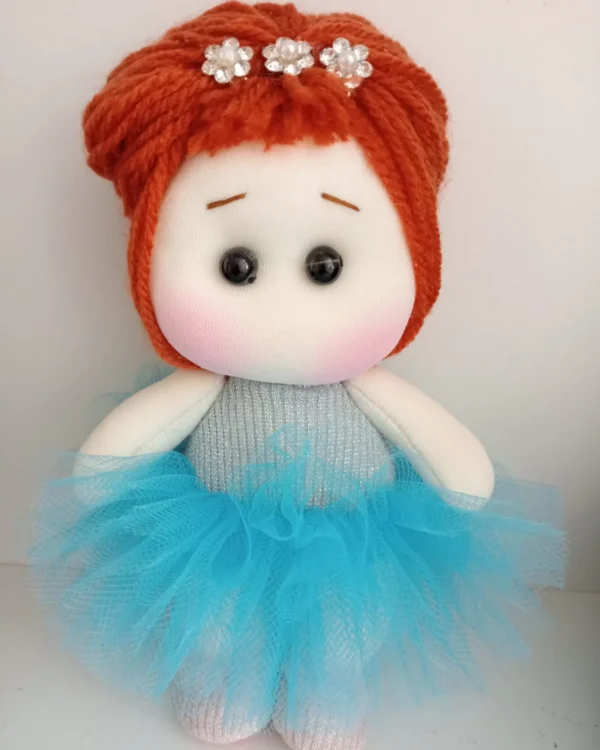
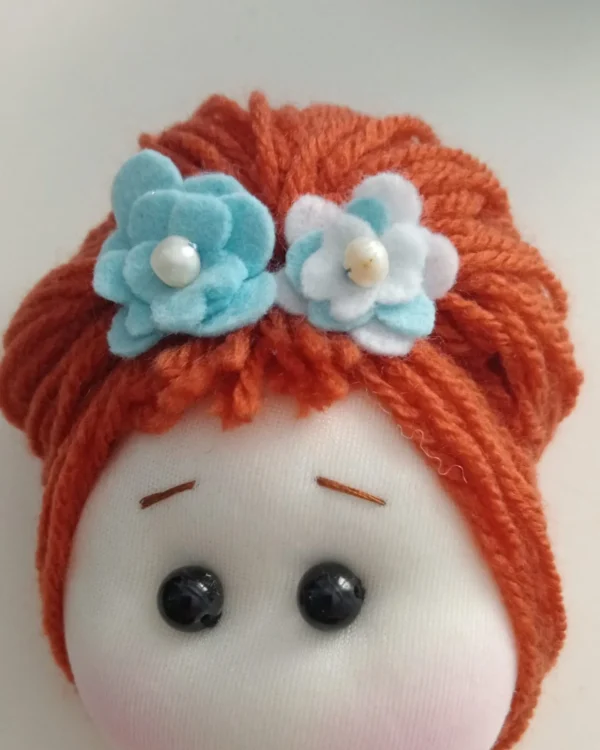 Coming soonMicaela Atelier · San SebastiánBallerina doll Audrey with a blue tutuFabric, wool and tulle · handmadeBetween €75 and €95VAT includedLet me know
-
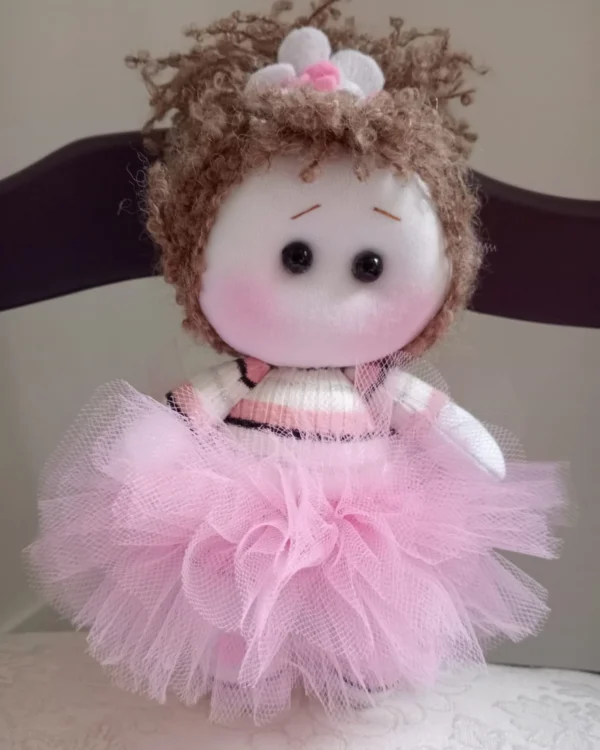 Coming soonMicaela Atelier · San SebastiánFabric doll with a pink tutuFabric, wool and tulle · handmadeBetween €75 and €95VAT includedLet me know
-
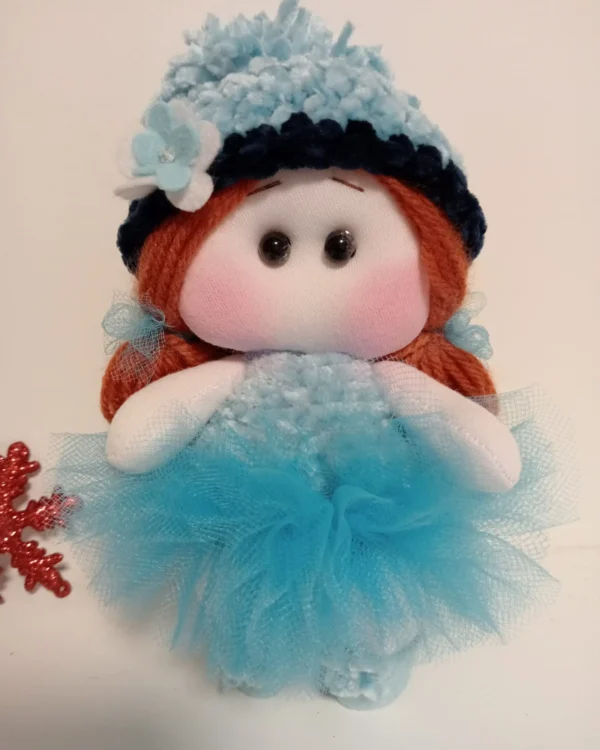 Coming soonMicaela Atelier · San SebastiánLittle ballerina doll with a blue hatFabric, wool and tulle · handmadeBetween €75 and €95VAT includedLet me know
-
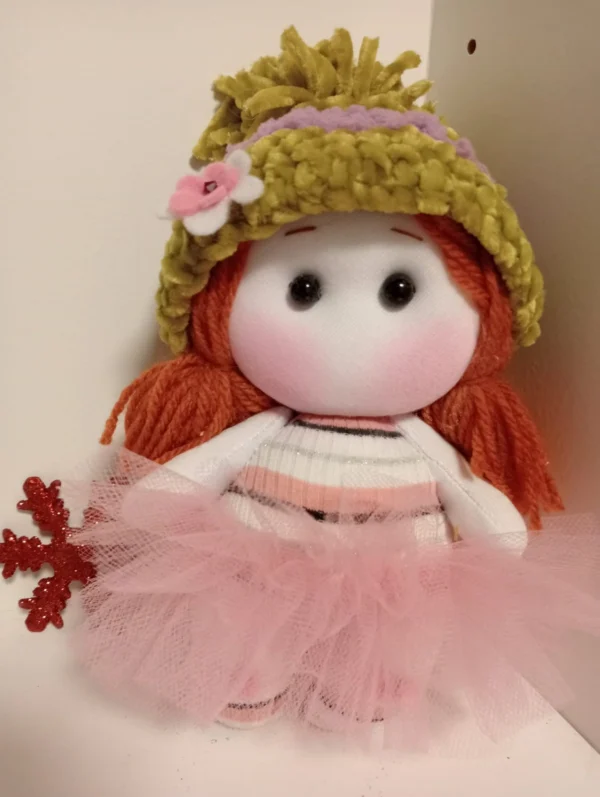
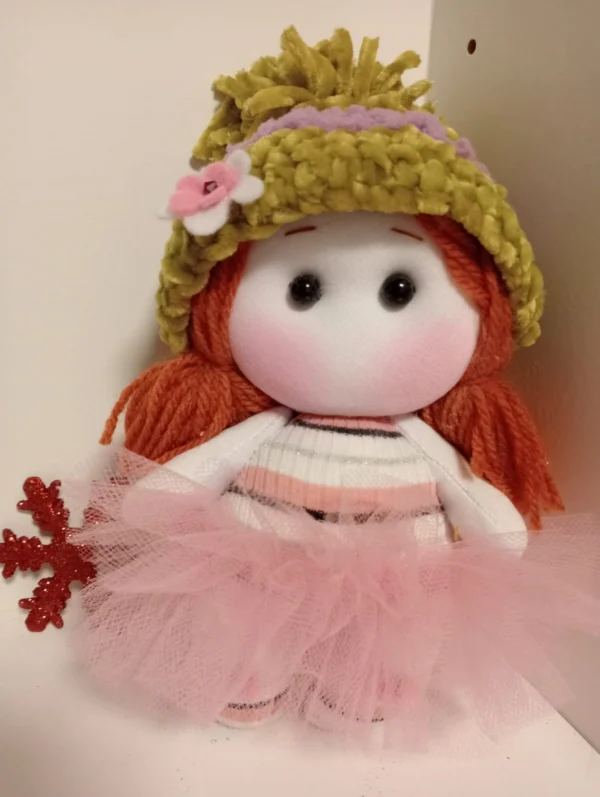 Coming soonMicaela Atelier · San SebastiánLittle ballerina doll with a green hatFabric, wool and tulle · handmadeBetween €75 and €95VAT includedLet me know
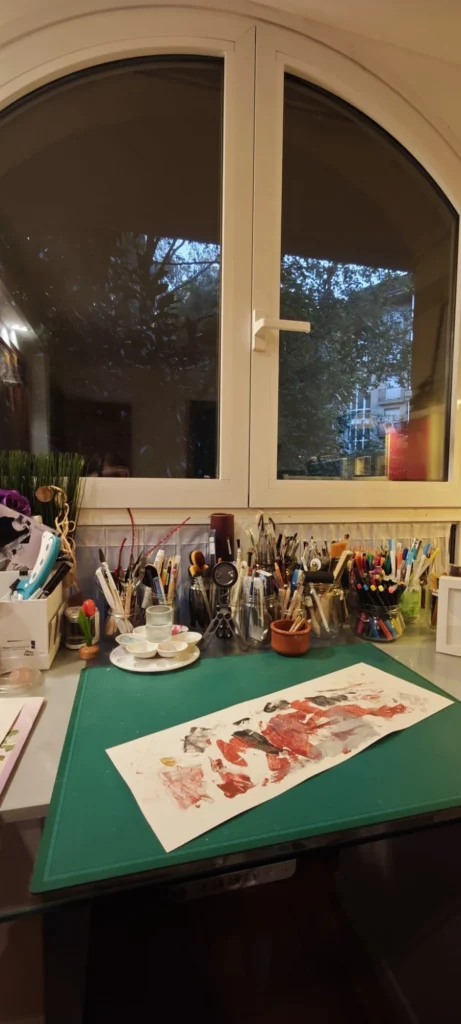 The person behind itere by me“I paint slowly, with what I have in front of me.”Enter their workshop