
Northern Basque Country · France
Saint-Jean-de-Luz
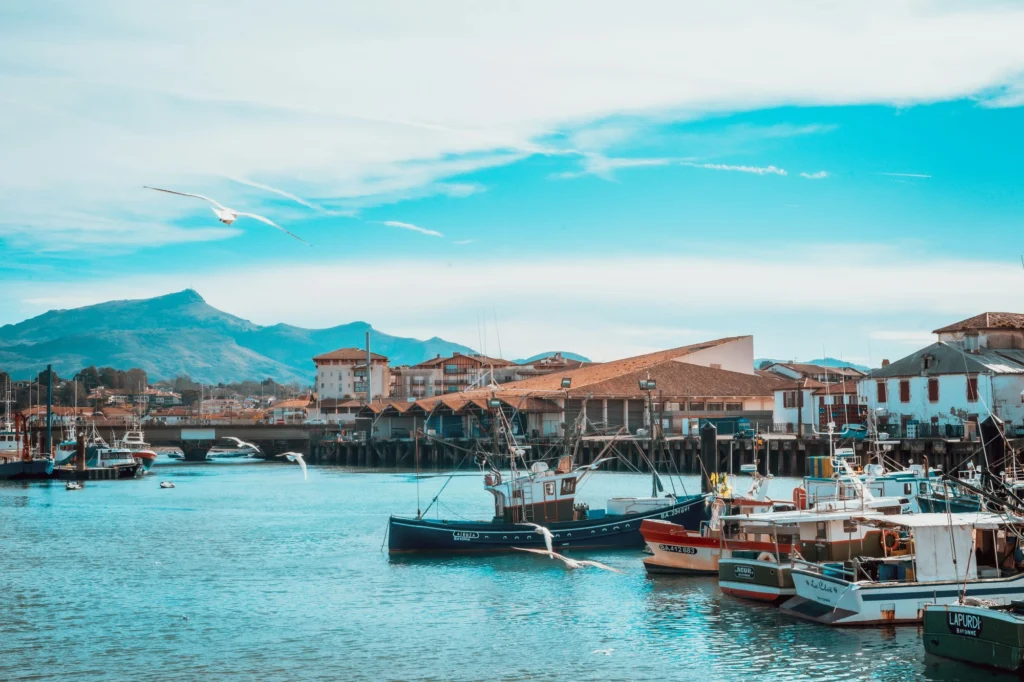
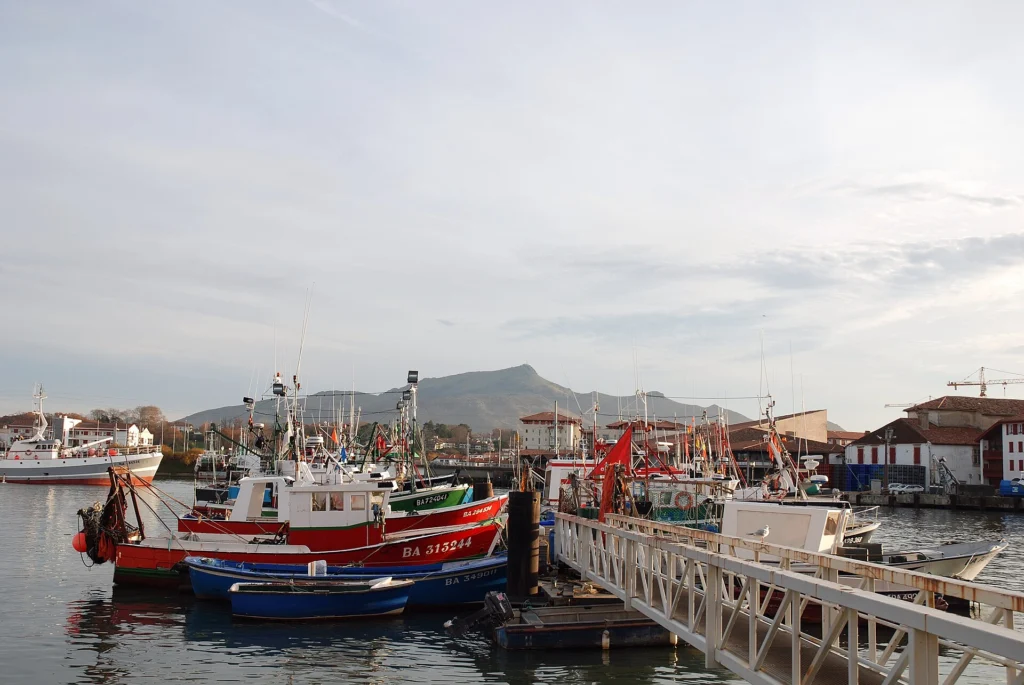
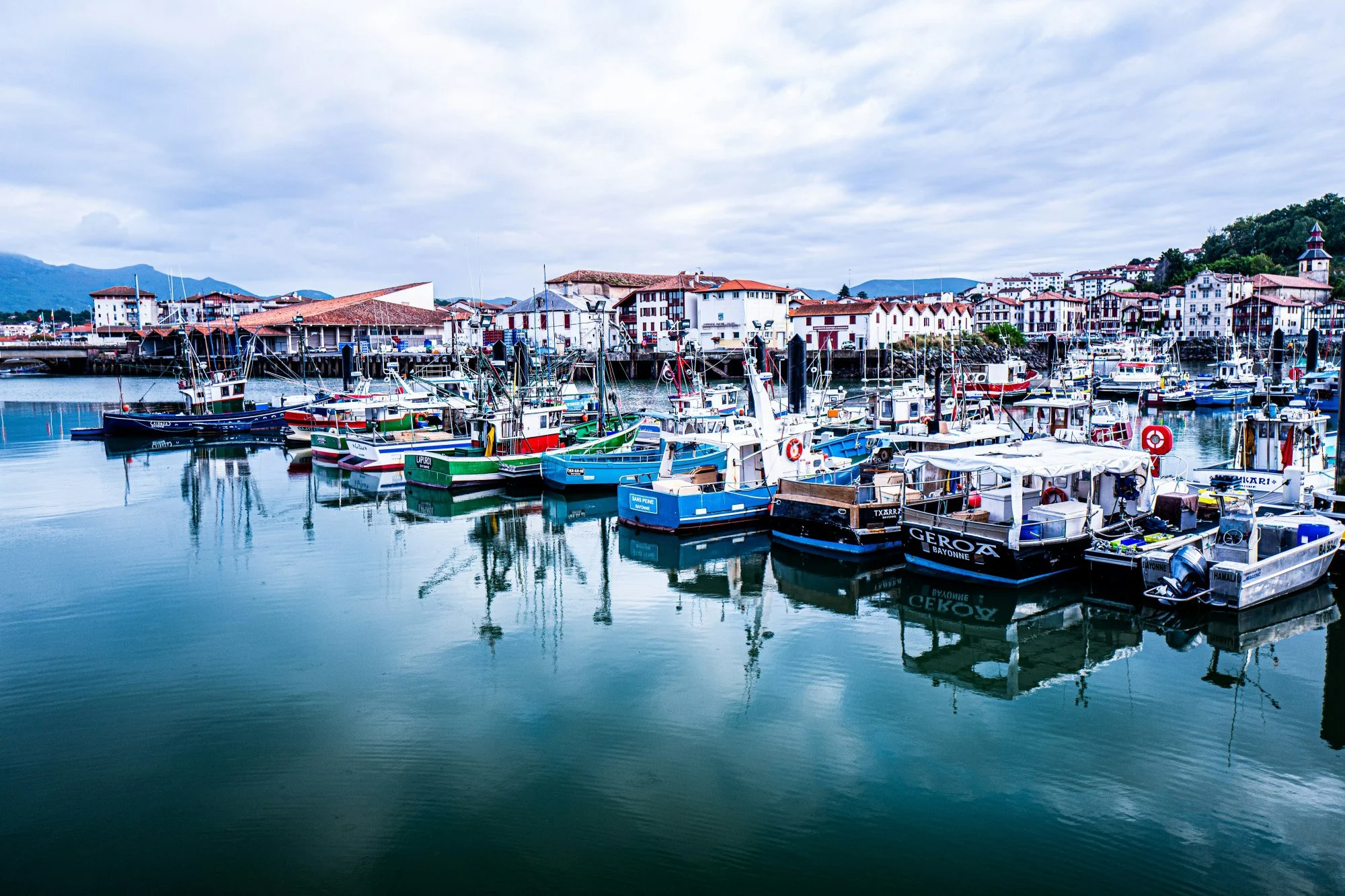
A fishing port in the Northern Basque Country, with La Rhune in the background and Basque spoken in the street.
The culture of Saint-Jean-de-Luz
The place
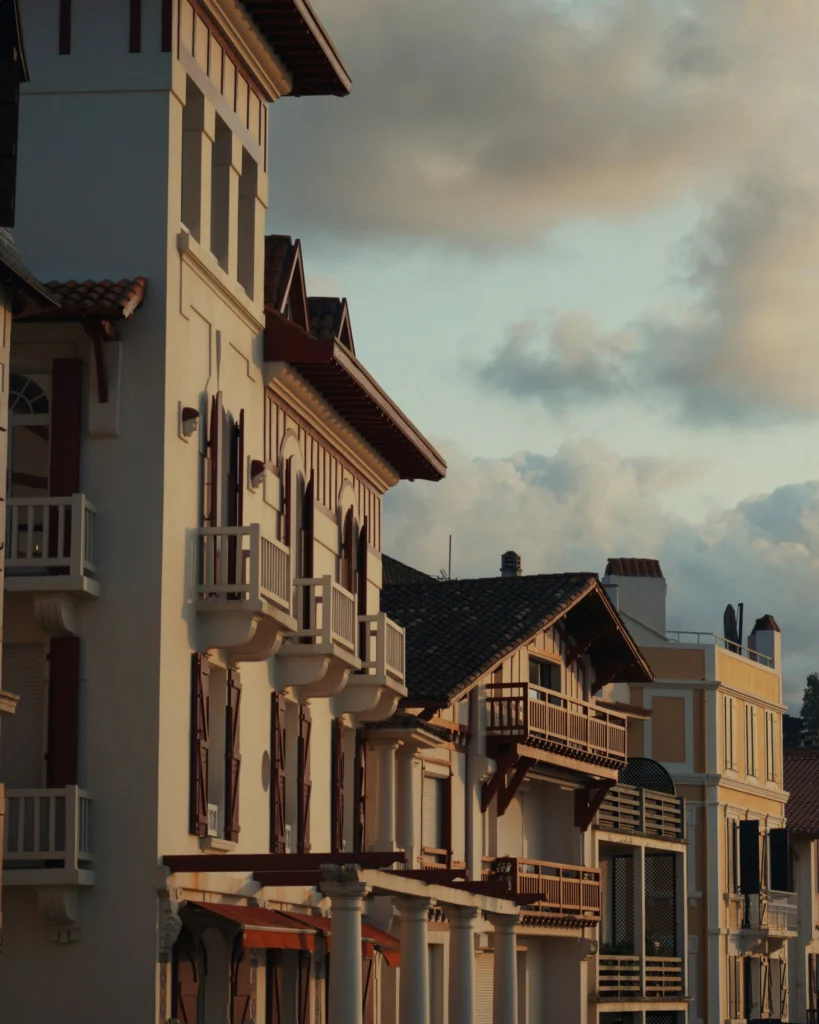
Saint-Jean-de-Luz is a fishing port on the coast of Labourd, in Iparralde, the French side of the Basque Country. The Nivelle river separates it from Ciboure, its sister town, and three sea walls close the bay so the sea doesn’t come in during storms. Behind it you can see La Rhune, everyone’s mountain. The houses are white, with timber frames and red or green shutters, and in the street you hear Basque and French.
A word of theirs Euskaldun A person who speaks Basque. In Basque, that is what being Basque means: having the language.
- Name
- Donibane Lohizune in Basque, Saint-Jean-de-Luz in French
- Where
- On the coast of Labourd, 15 km from the Spanish border
- Population
- About 14,000
- Languages
- Basque and French
- The big festival
- Saint John’s Day, on 24 June
- At the table
- Tuna, baby squid and ttoro, the fish soup
Traditions
- The tuna festivalIn early July the port celebrates its catch with grilled tuna, brass bands and Basque songs.
- The toro de fuegoOn summer evenings, in Place Louis-XIV, a cardboard bull full of fireworks chases the people dancing.
- The church galleriesSaint-Jean-Baptiste has three tiers of wooden galleries: in the past, the men sang upstairs and the women downstairs.
- MacaronsThey are said to have been offered at the wedding of Louis XIV, and the town still makes them with almonds, sugar and egg white.
- PelotaAs everywhere in Iparralde, the fronton is the heart of the town, and on Sundays there’s a match.
Its history
Saint-Jean-de-Luz lived from the sea: its whalers and cod fishermen crossed all the way to Newfoundland, and its privateers made the port rich. In 1660 Louis XIV and Maria Theresa of Spain were married here, and the town still has their houses. Like all of Iparralde, it lost its Basque institutions with the Revolution, but not its language: Basque stayed alive in homes, in songs and in the ikastolas, the Basque-language schools.
- 16th centuryThe whalers of Saint-Jean-de-Luz and Ciboure cross the Atlantic to Newfoundland.
- 1660Louis XIV marries Maria Theresa in the church of Saint-Jean-Baptiste.
- 1790The Revolution abolishes the three Basque provinces.
- 1875Maurice Ravel is born in Ciboure, on the other side of the port.
- 1895The last of the three sea walls protecting the bay is completed.
- 1969The first ikastola in Iparralde opens.
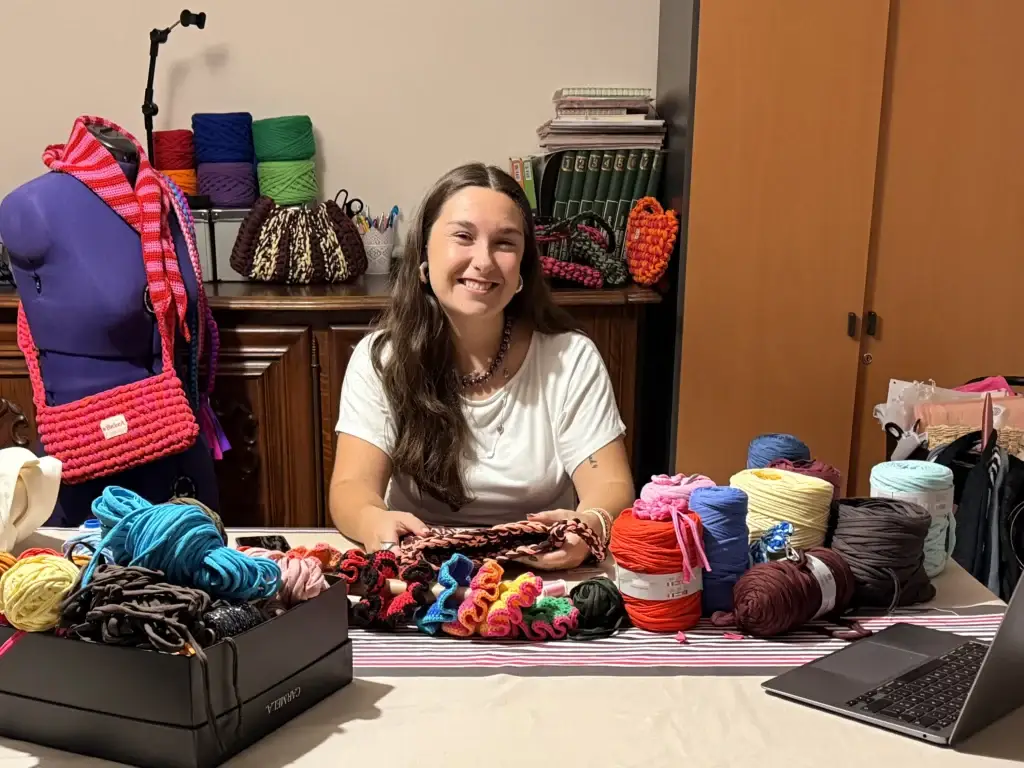
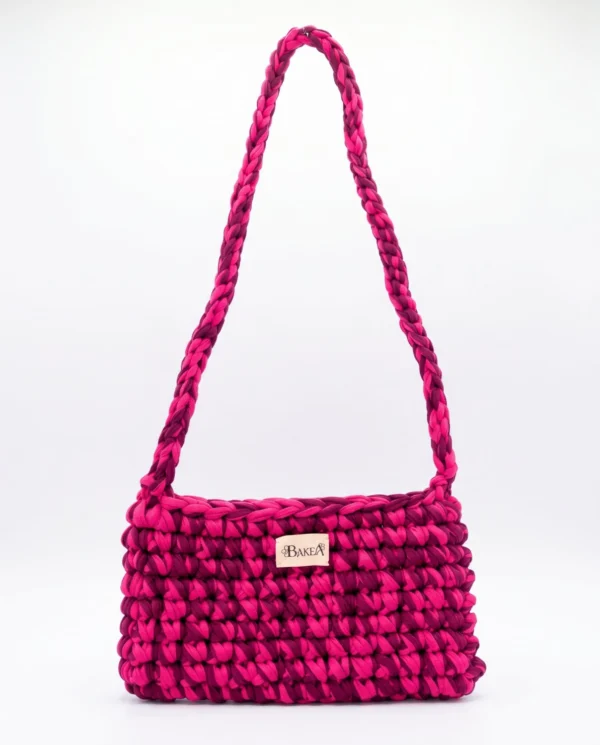
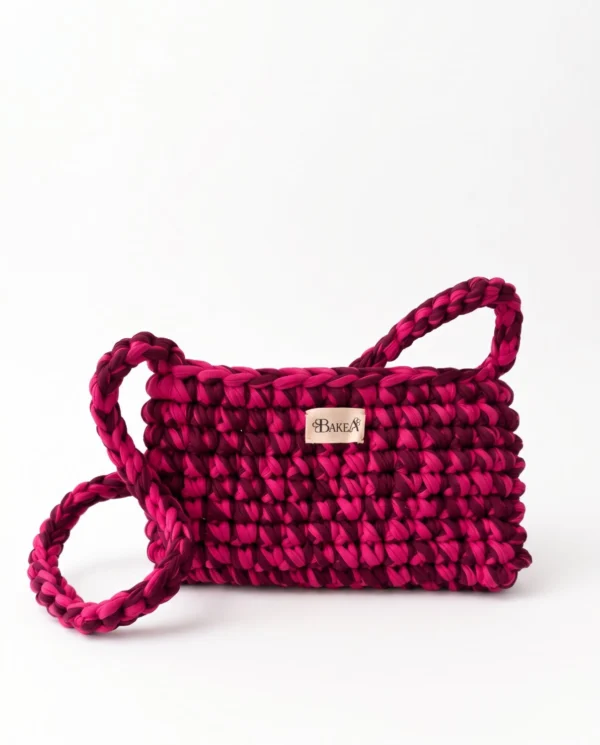
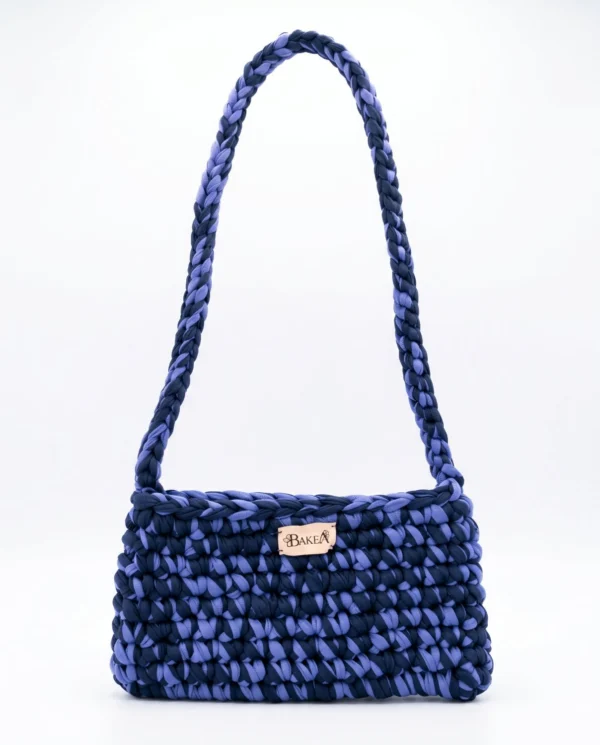
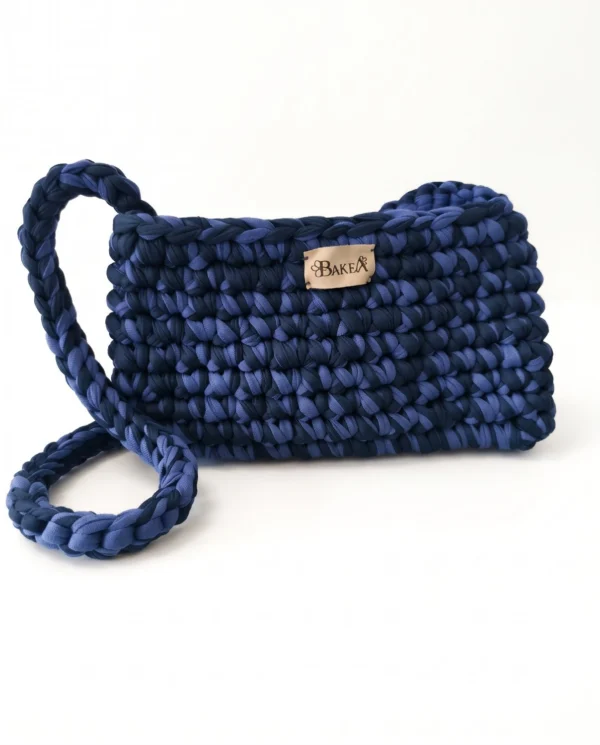
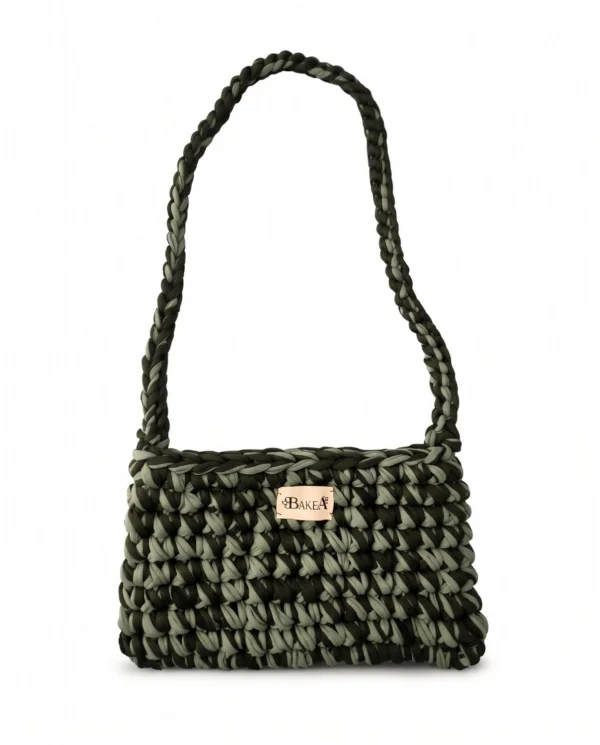
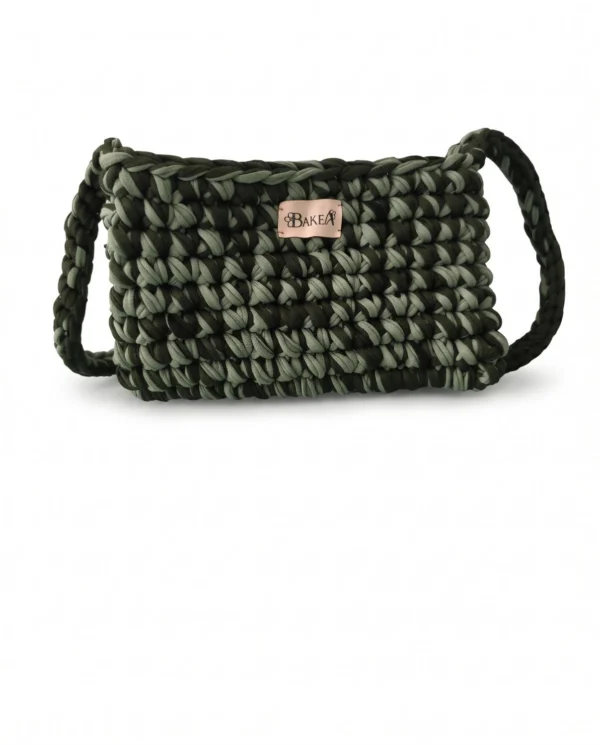
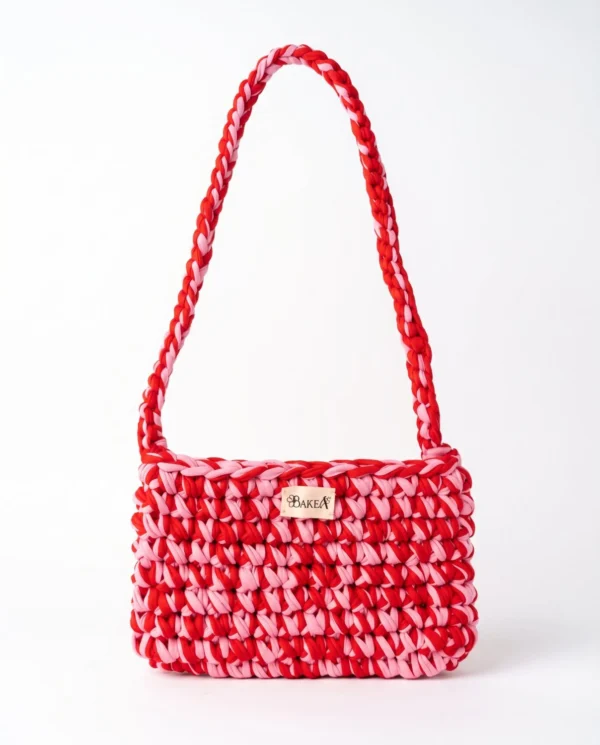
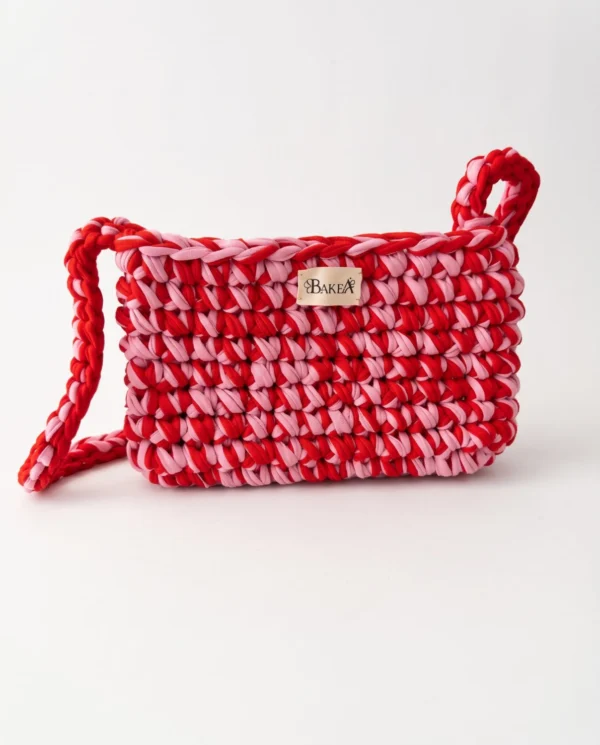
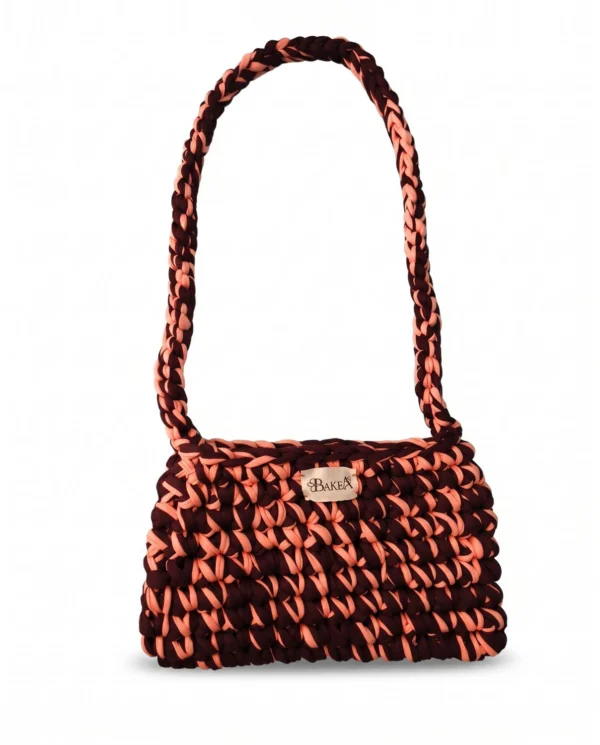
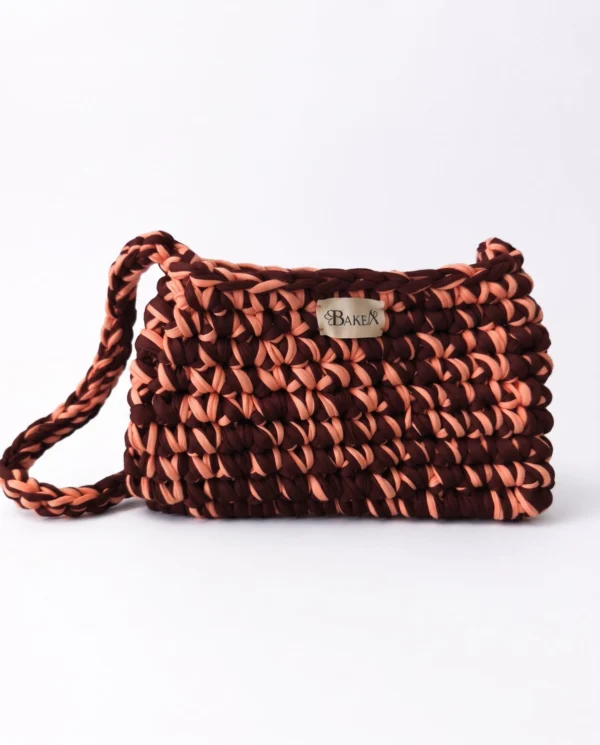
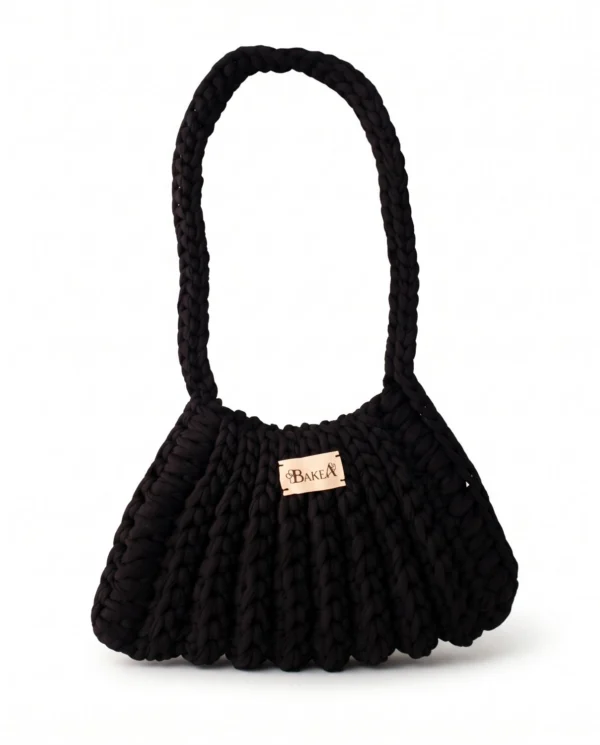
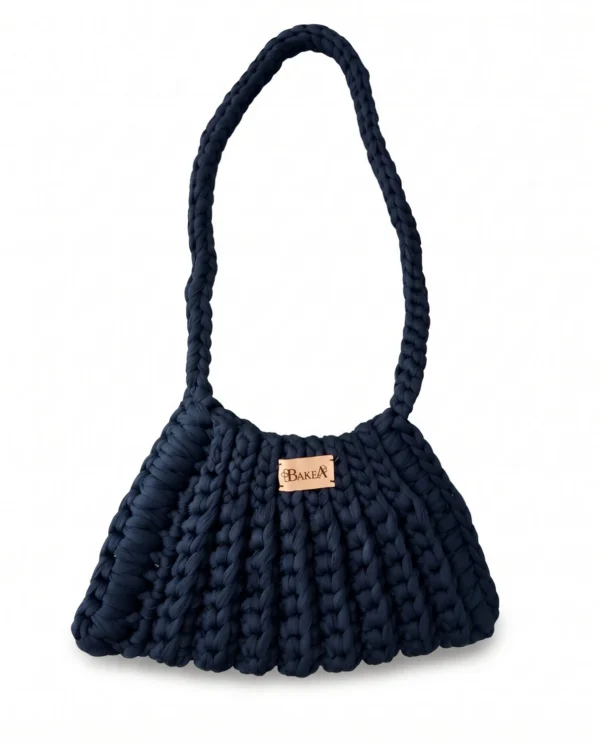
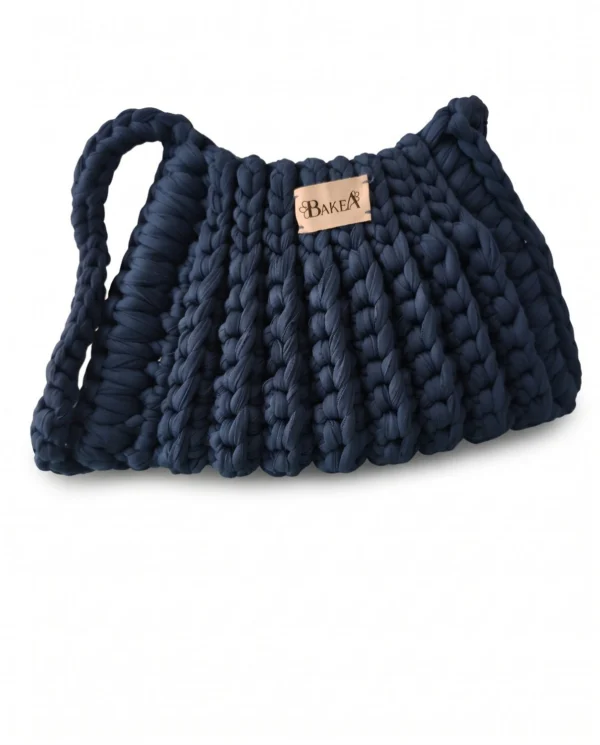
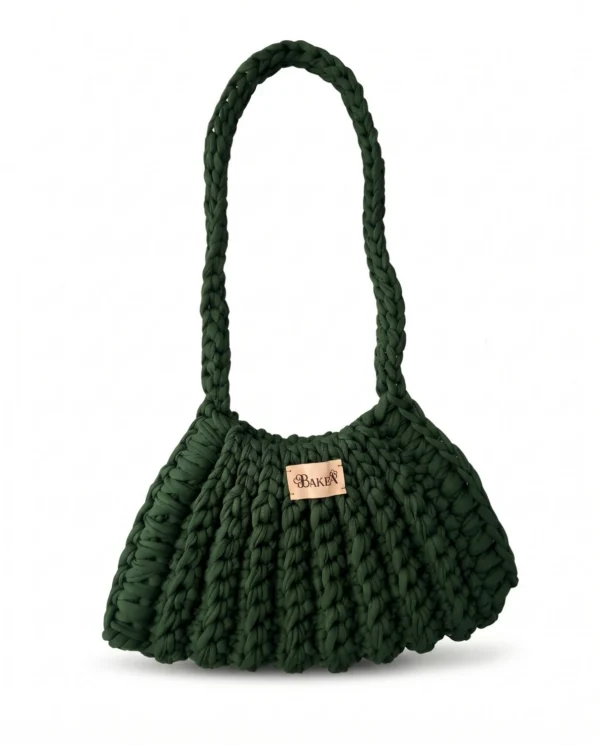
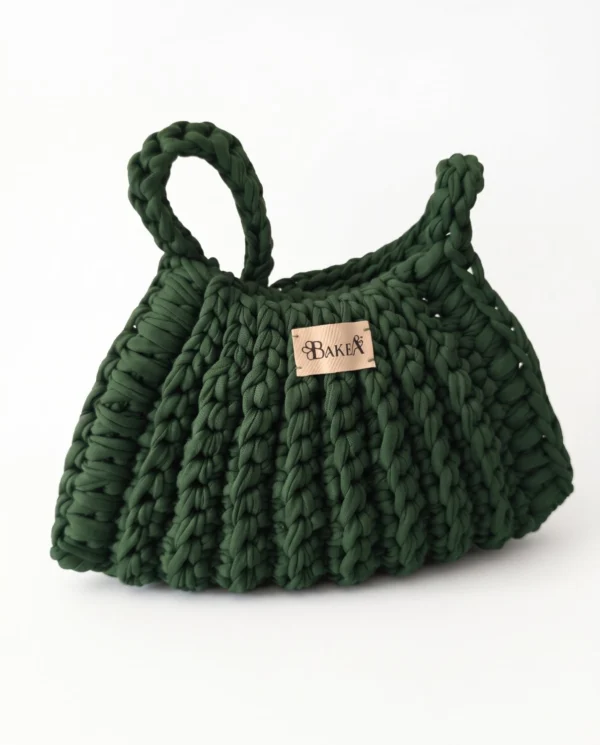
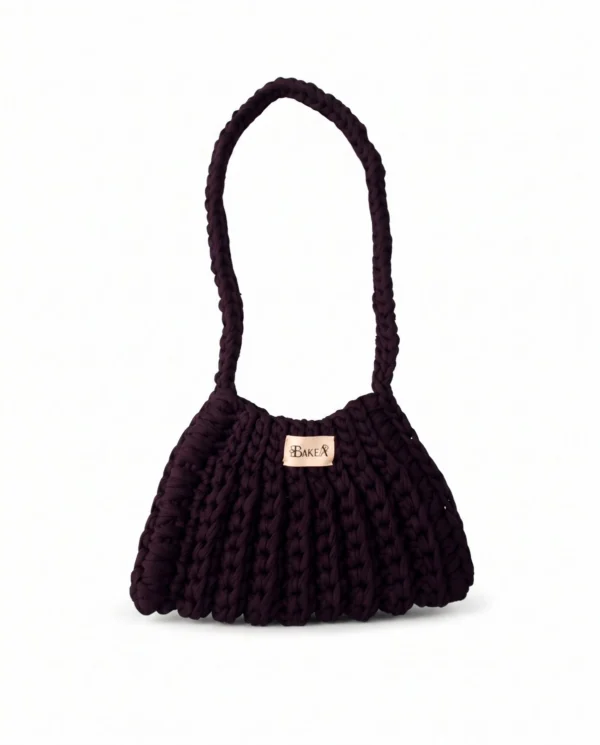
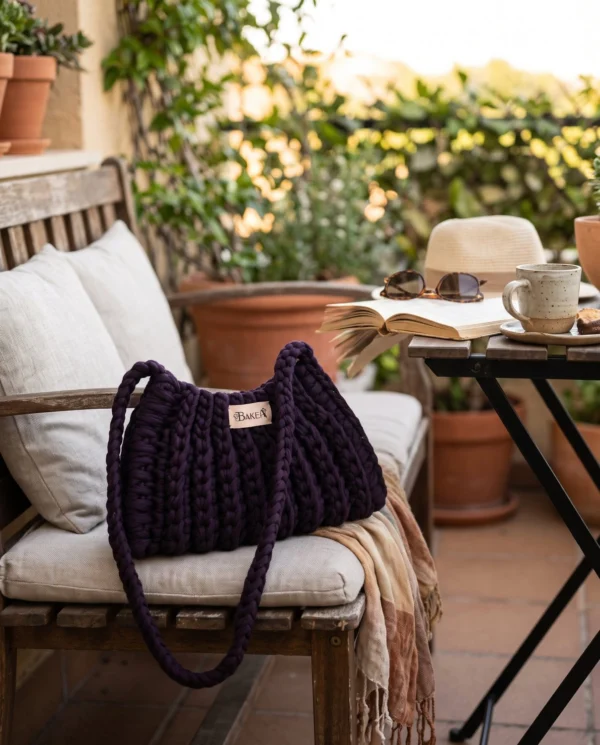
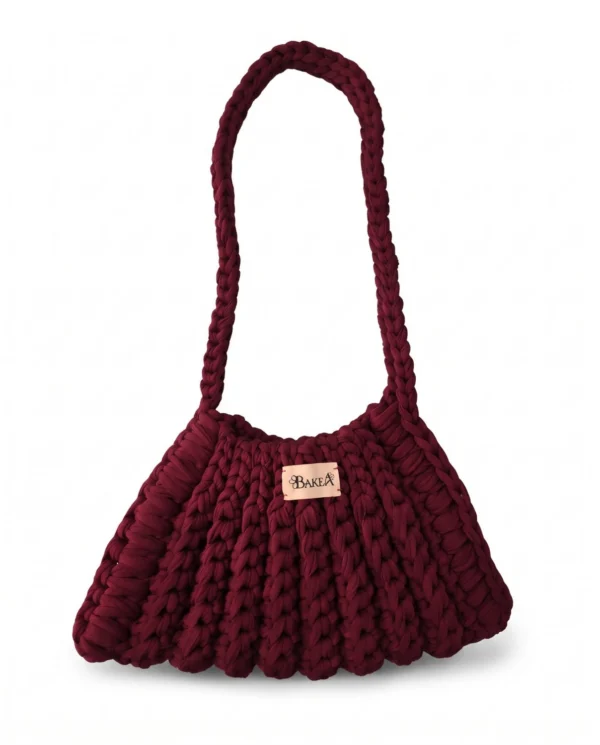
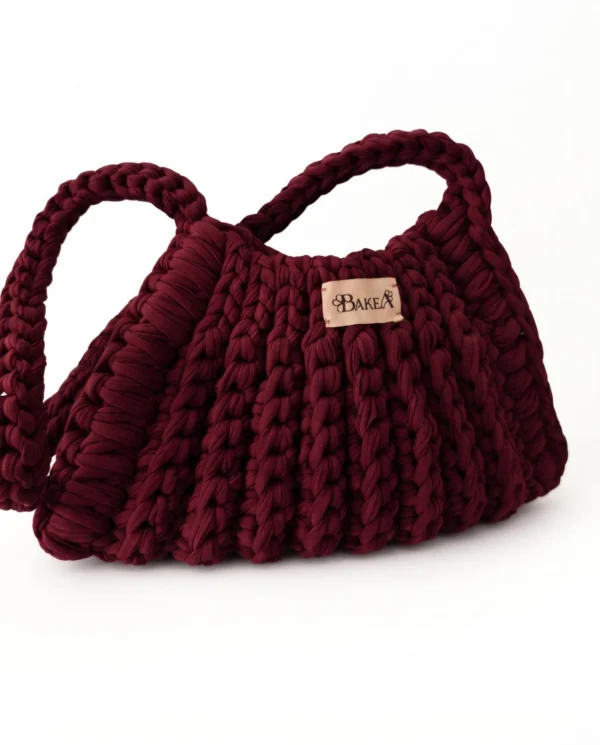
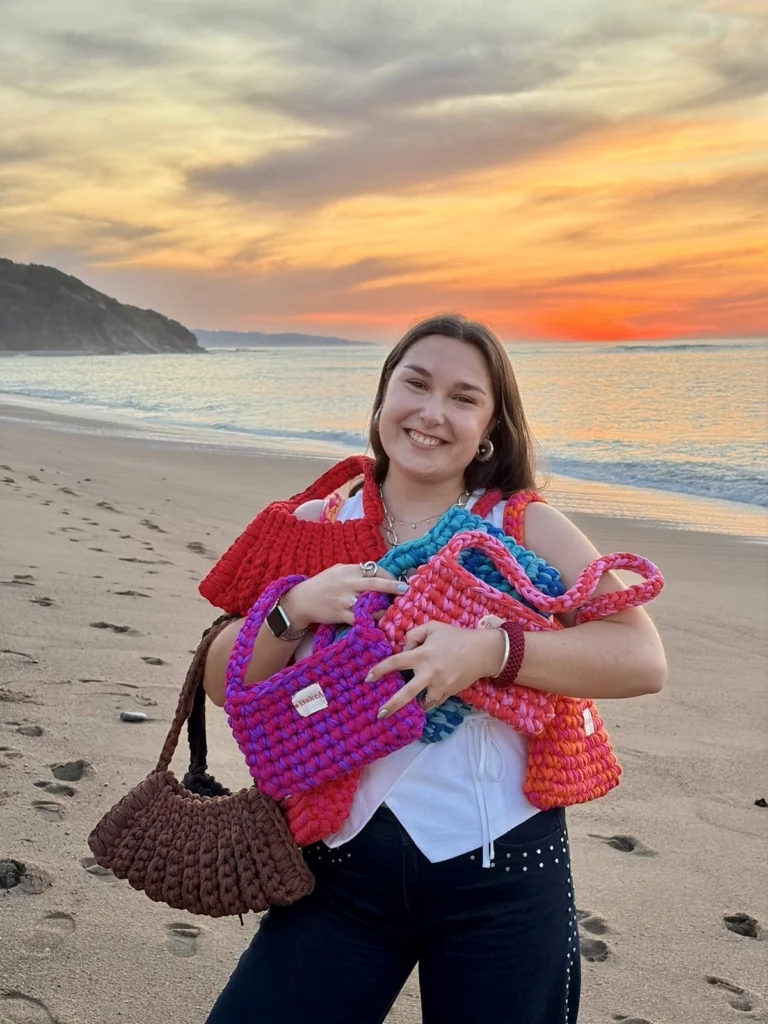
- TodayAmaia crochets her BakeA bags, speaking Basque.
Its crafts
The craft of Saint-Jean-de-Luz has always been the sea: nets, boats and canneries. Around it, Iparralde has crafts with a name: espadrilles from Mauléon, Basque linen with coloured stripes, the carved makila walking stick from Larressore and the wicker chistera for pelota. Useful objects, made to last. Amaia follows that idea with crochet: light, strong bags, made by hand, one by one.
Customs and festivals
Life happens at the port, in Place Louis-XIV and on the beach. The house, the etxe, has its own name and is passed down from generation to generation. People sing a lot, in harmony, and at the table there is always the fish of the day and Espelette pepper.