
Drâa-Tafilalet · Morocco
Rissani
A palm oasis at the gates of the Sahara, where the caravans used to stop.
The culture of Rissani
The place
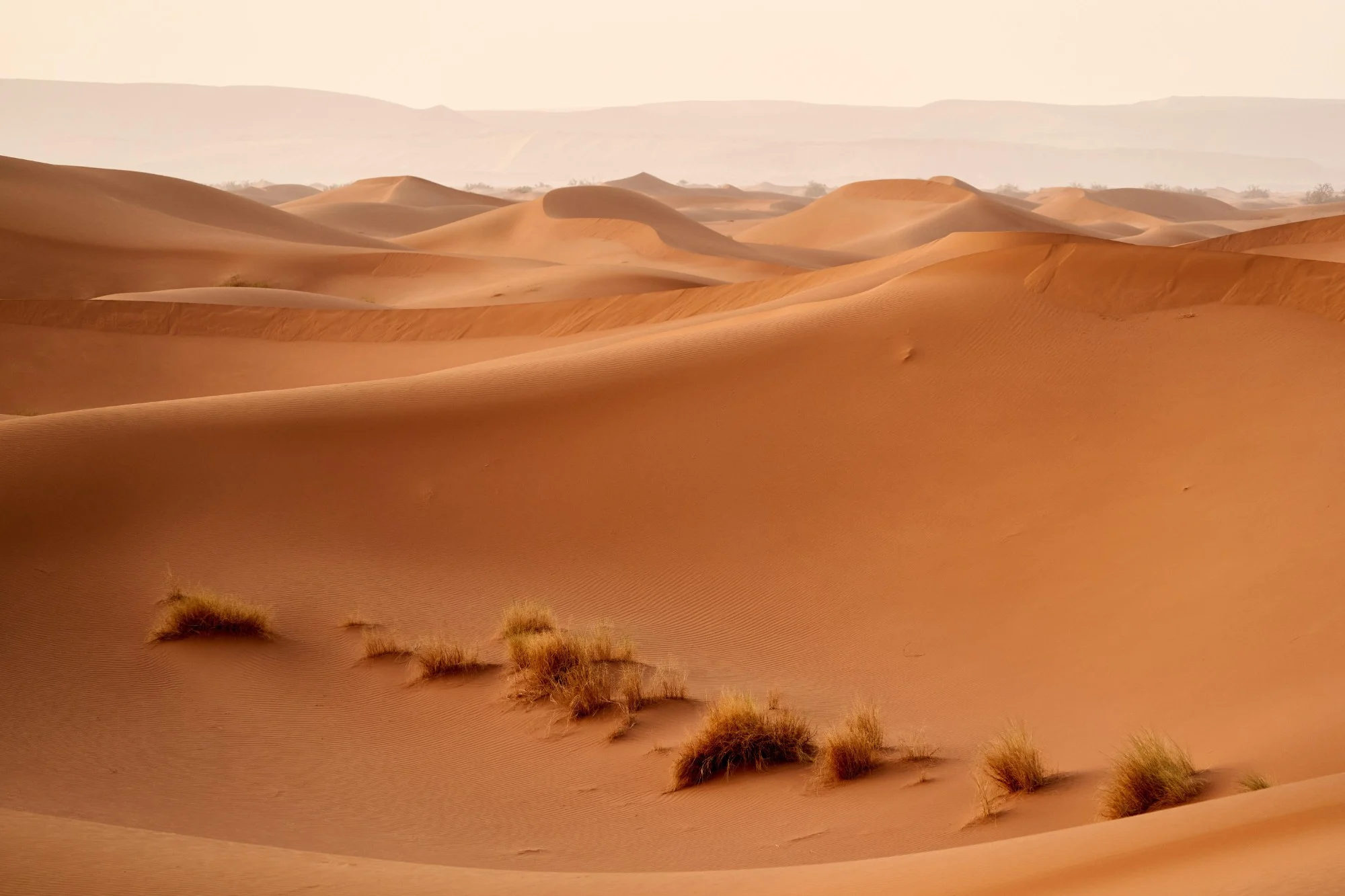
Rissani lies in the Tafilalet oasis, a sea of date palms in the middle of the desert, some forty kilometres from the Merzouga dunes. Around it are ksour, fortified villages of earth-coloured rammed earth, with narrow, cool alleys. The heat is dry, the sky almost always clear, and water arrives through channels that irrigate the gardens under the palms.
A word of theirs Azul Hello, in Amazigh. It is also a wish for peace.
- Name
- Rissani, in the Tafilalet oasis
- Where
- South-east Morocco, at the gates of the Sahara
- Population
- About 20,000
- Languages
- Arabic and Amazigh
- The souk
- Sunday, Tuesday and Thursday
- At the table
- Madfouna, dates and mint tea
Traditions
- TeaGreen tea with mint, very sweet, poured from high up to make it froth. Refusing it is almost an offence.
- MadfounaRissani’s stuffed bread: meat, onion and spices in a dough baked in a clay oven.
- DatesThe Tafilalet is the home of the Medjool date. In autumn the harvest is done by hand, palm by palm.
- The ksourRammed-earth villages with walls and a single gate, built and repaired by everyone with earth and straw.
Its history
Near Rissani are the ruins of Sijilmassa, for centuries one of the great caravan cities: from here people set off south with salt and came back with gold from the other side of the Sahara. The Alaouite dynasty, which rules Morocco today, also comes from the Tafilalet.
- 757Sijilmassa is founded, near present-day Rissani.
- 10th to 14th centuryCaravans cross the Sahara with salt, gold and textiles.
- 17th centuryThe Alaouite dynasty, which rules Morocco today, emerges from the Tafilalet.
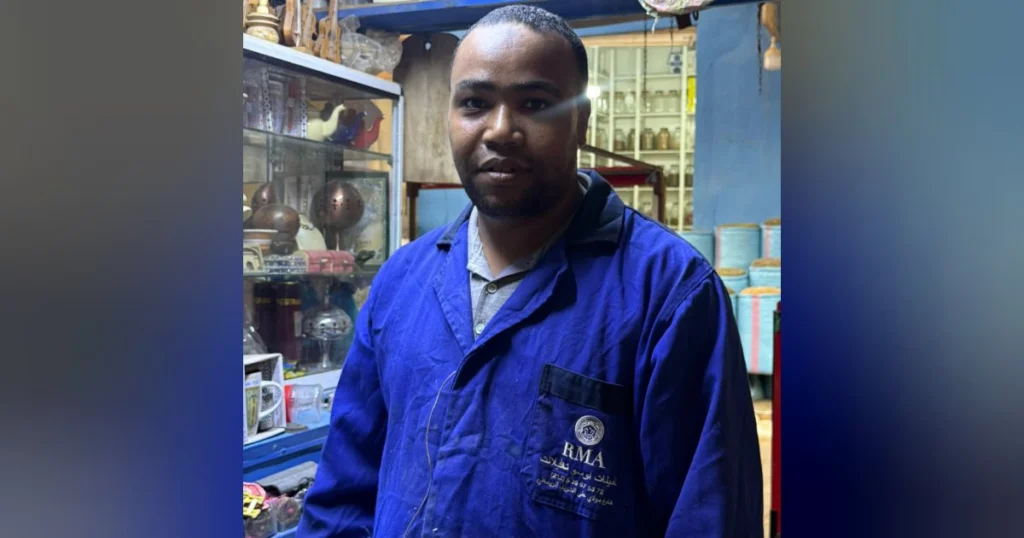
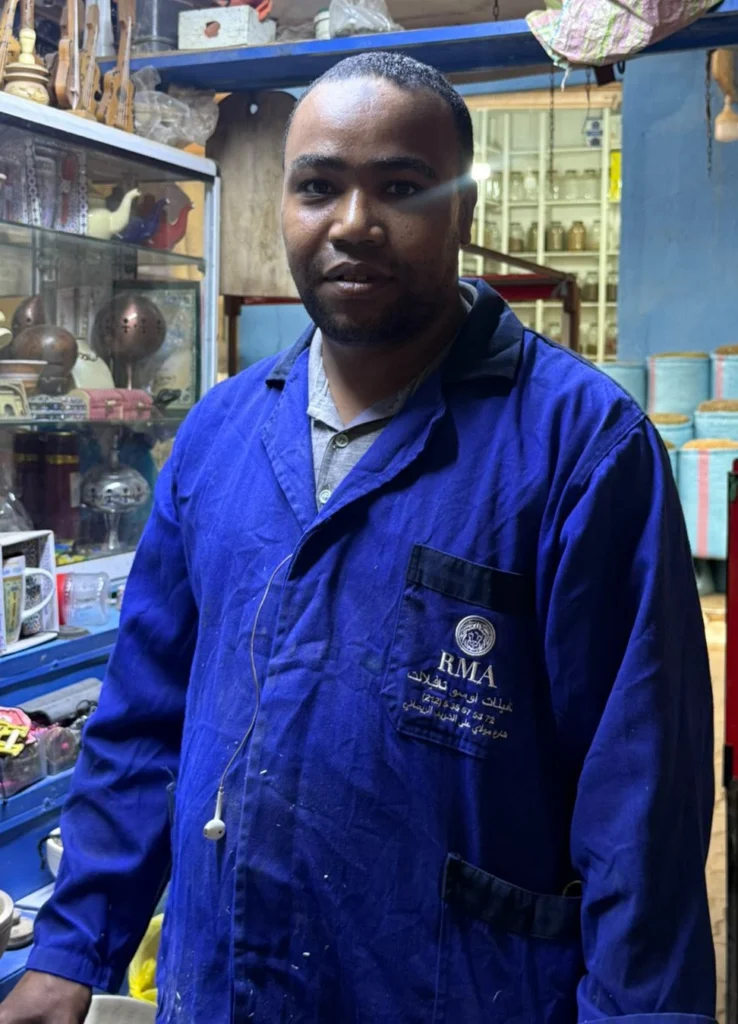
- TodayThe souk is still alive, and Mohamed sells there the walnut his father carves.
Its crafts
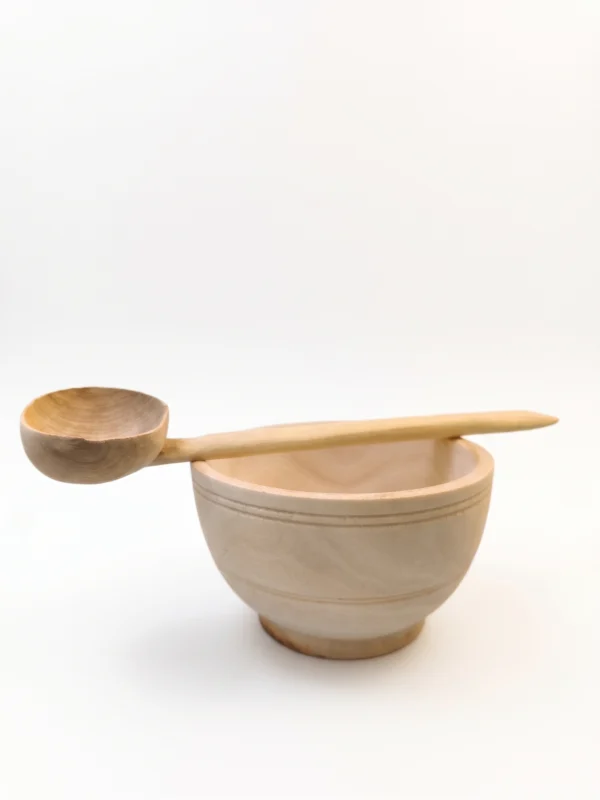
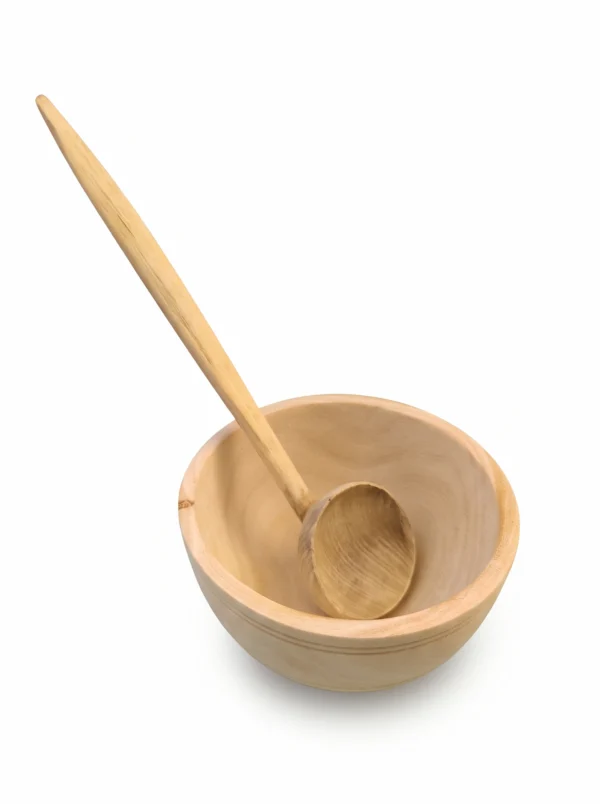
In the oasis almost everything is made by hand, with whatever is to hand: the rammed earth of the houses, palm basketry, and the copper and leather sold at the souk. The region’s walnut wood is carved into bowls, spoons, mortars and trays, and the craft is passed from father to son. That is how Mohamed and his father work: one carves, the other sells at the market stall.
Customs and festivals
Hospitality is everything: whoever arrives is offered tea and something to eat. Families are large and share the table, with the dish in the middle and bread to pick up the food. The day starts early, before the heat rises.