
Bahia · Brazil
Salvador da Bahia
Brazil’s first capital, with African roots, the rhythm of the drum and the scent of dendê oil.
The culture of Salvador da Bahia
The place
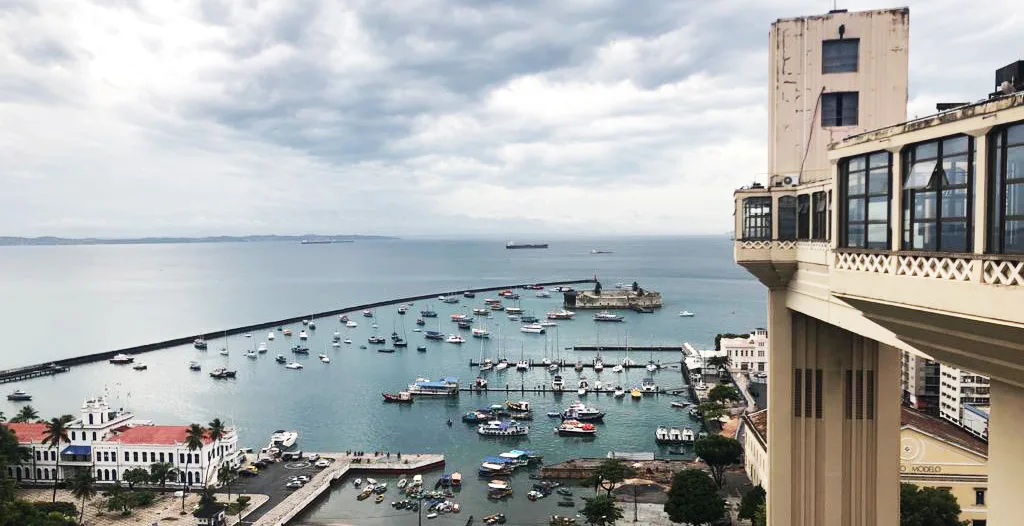
Salvador looks out over the Atlantic from the Bay of All Saints. The city is split in two: the Upper City, on top of the cliff, and the Lower City, by the port, joined by the Lacerda Elevator. In the Pelourinho, the old quarter, the colonial houses are painted in bright colours and you hear drums in the sloping cobbled lanes. It is the most African city in Brazil, and you feel it in the music, the food and the faith.
A word of theirs Axé The good energy that makes everything move forward. You say it to wish luck and strength.
- Name
- Salvador, capital of the state of Bahia
- Where
- On the Bay of All Saints, in north-east Brazil
- Population
- About 2.4 million
- Language
- Portuguese
- The big festival
- Carnival and the Lavagem do Bonfim
- At the table
- Acarajé and moqueca, with dendê oil
Traditions
- The Bonfim ribbonsColoured ribbons tied around the wrist with three knots, one for each wish. You wear them until they fall off on their own.
- The Festival of IemanjáOn 2 February people take flowers and gifts to the sea for Iemanjá, queen of the waters.
- CapoeiraHalf fight, half dance, to the sound of the berimbau. It was born among enslaved Africans and is practised today in the squares.
- AcarajéA bean fritter fried in dendê oil, sold in the street by baianas in their white dress and turban.
- CarnivalA week in the street behind the trios elétricos, trucks with live music.
Its history
Salvador was founded in 1549 and was Brazil’s first capital for over two centuries. Millions of enslaved Africans arrived at its port, and their culture stayed in the city: the music, the food, capoeira and candomblé. Today this mix of Africa, Portugal and the indigenous peoples is its identity.
- 1549Salvador is founded, Brazil’s first capital.
- 1763The capital moves to Rio de Janeiro.
- 2 July 1823Bahia drives out the Portuguese troops; the date is celebrated in the street every year.
- 1873The Lacerda Elevator opens, linking the upper and lower city.
- 1985The Pelourinho becomes a World Heritage Site.
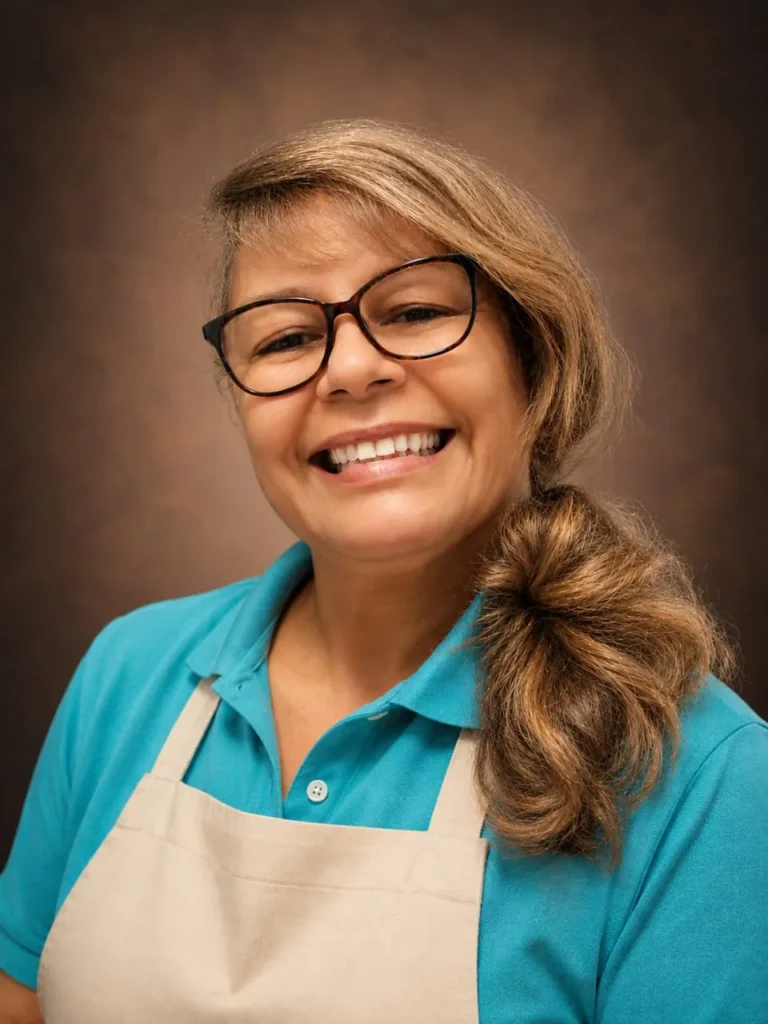
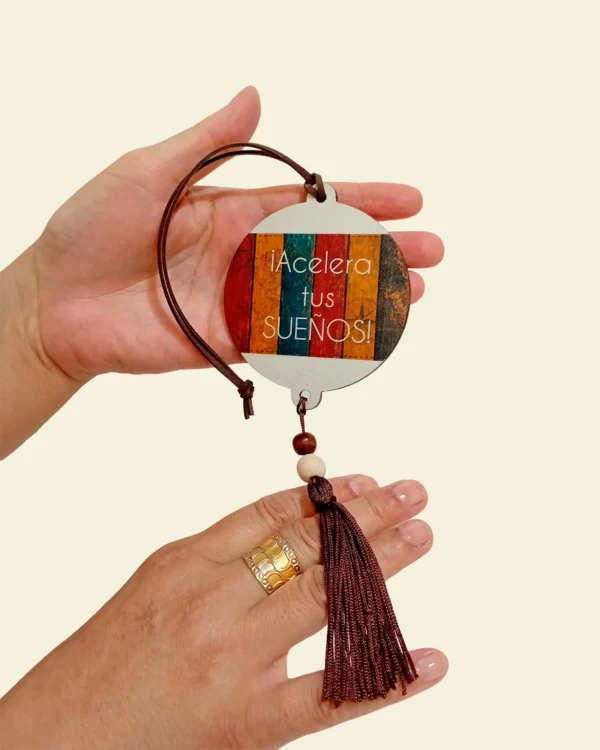
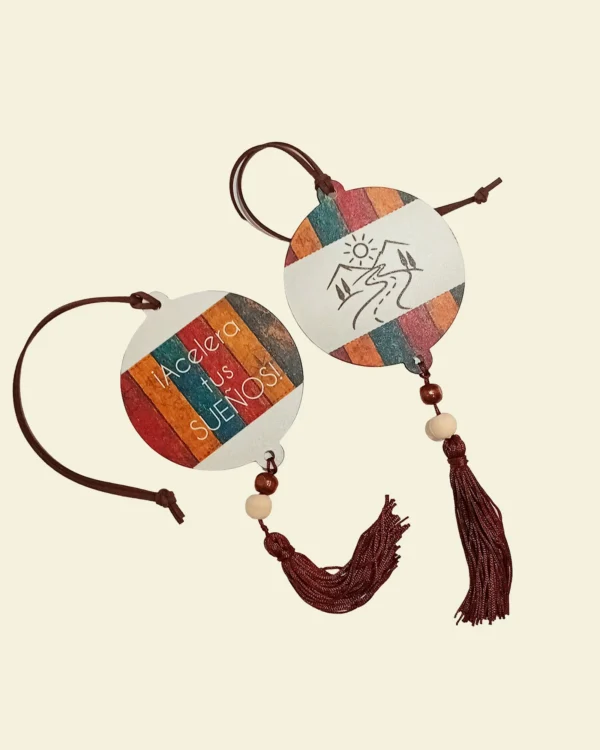
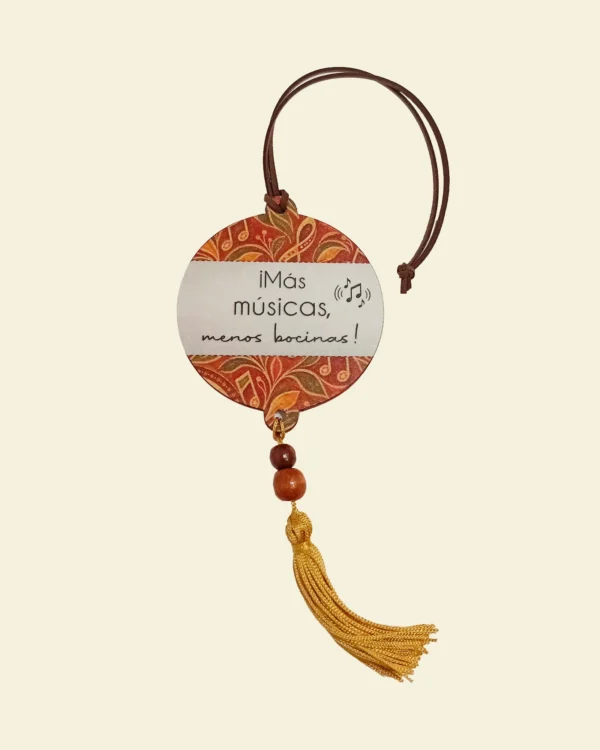
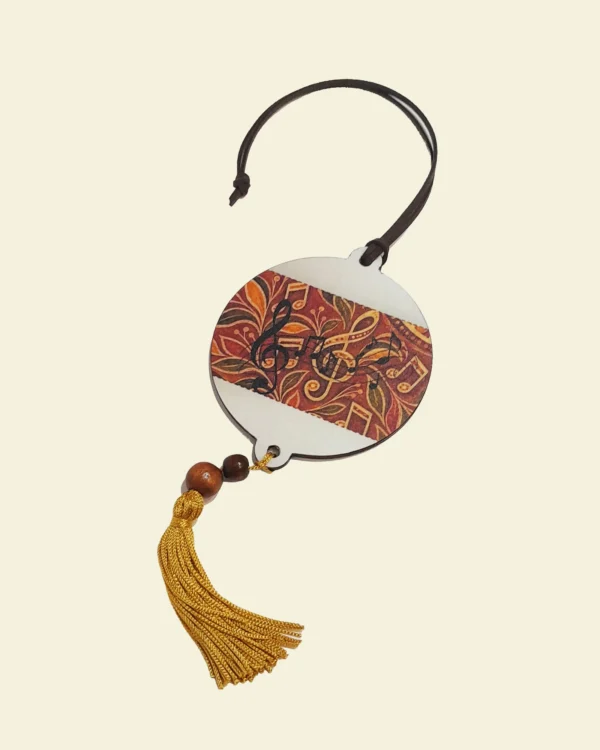
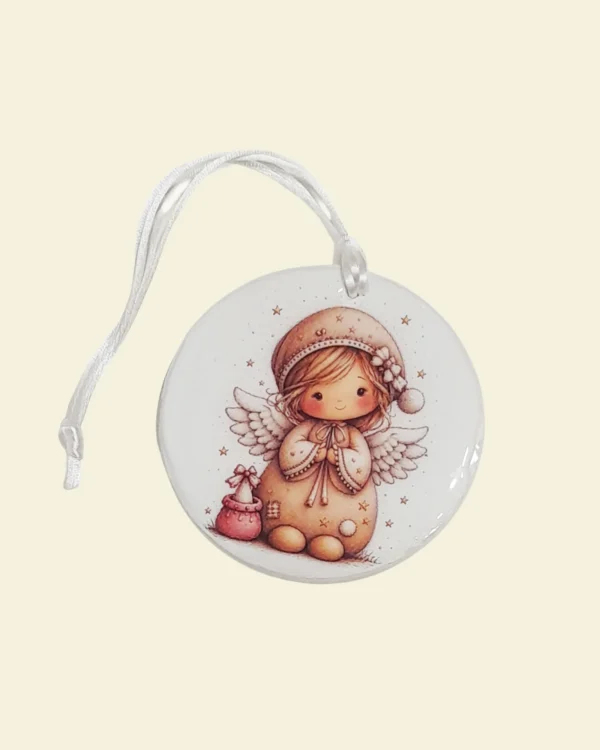
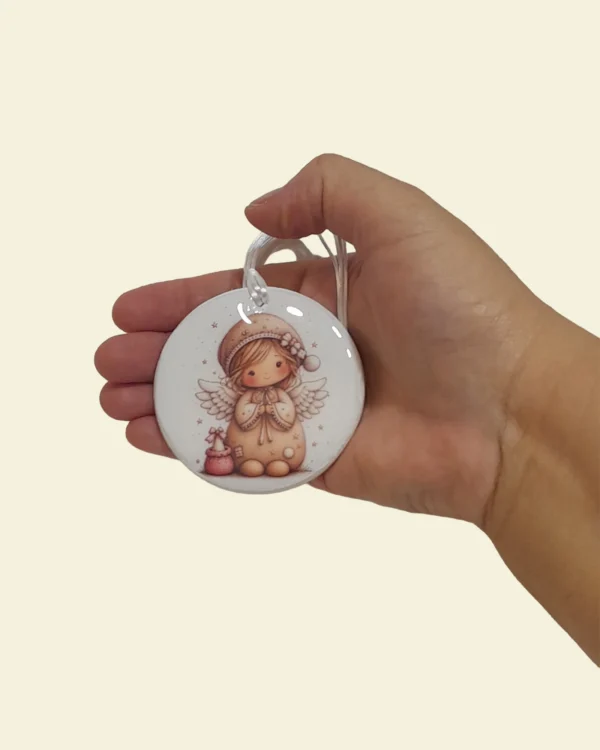
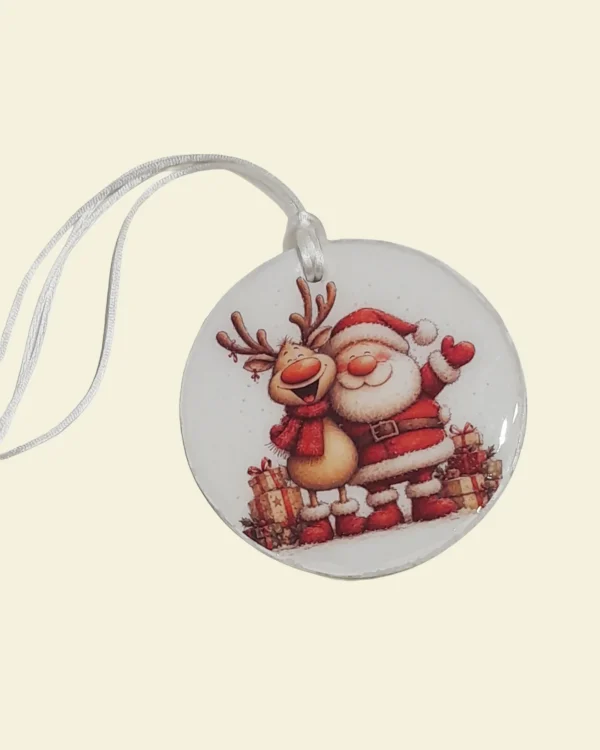
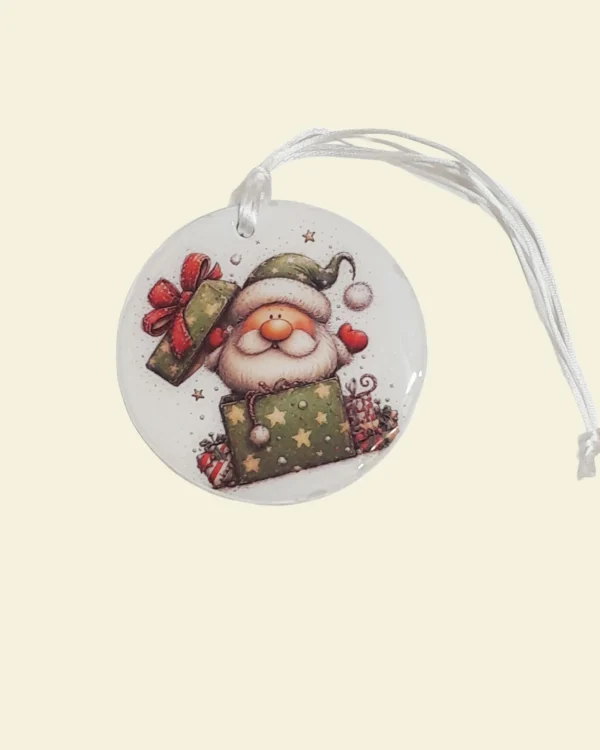
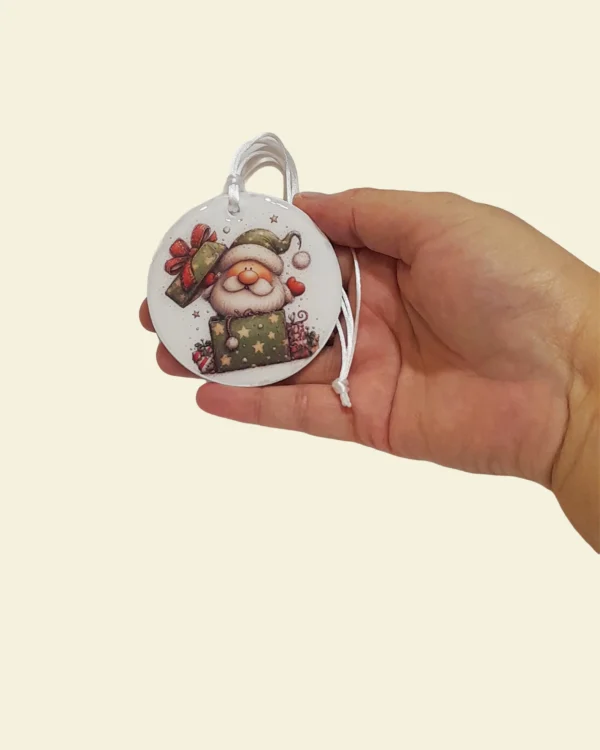
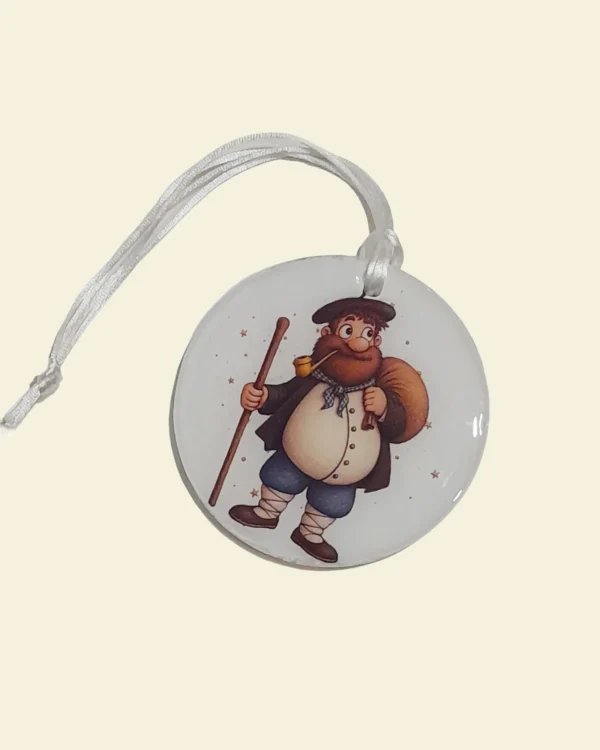
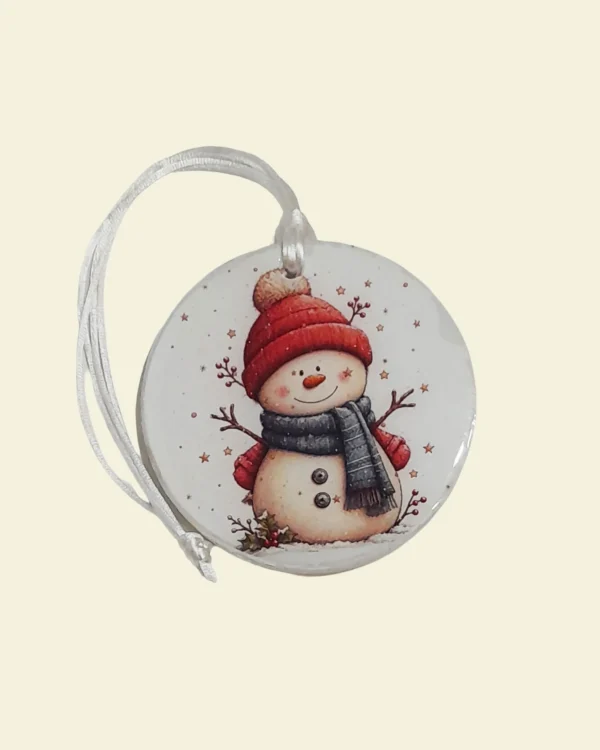
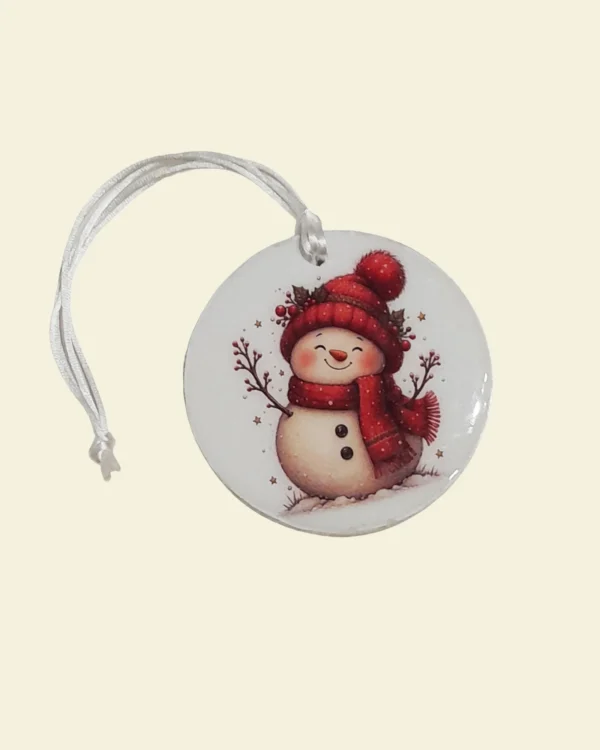
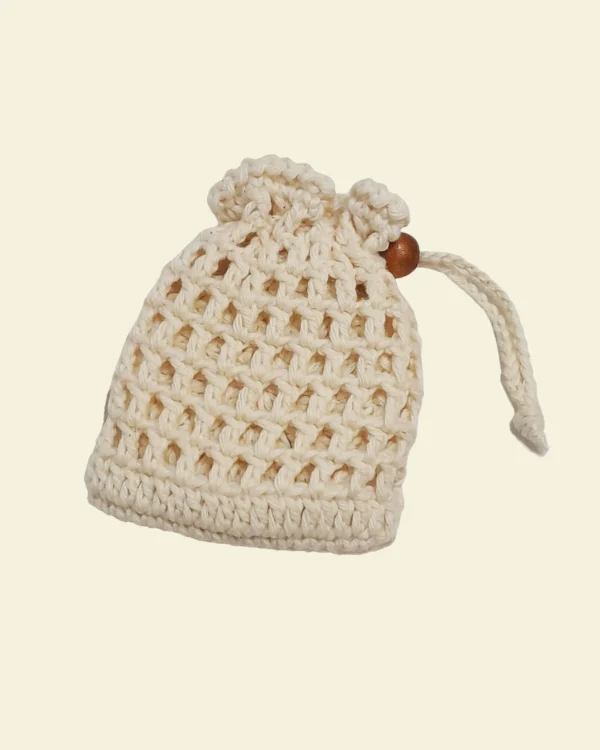
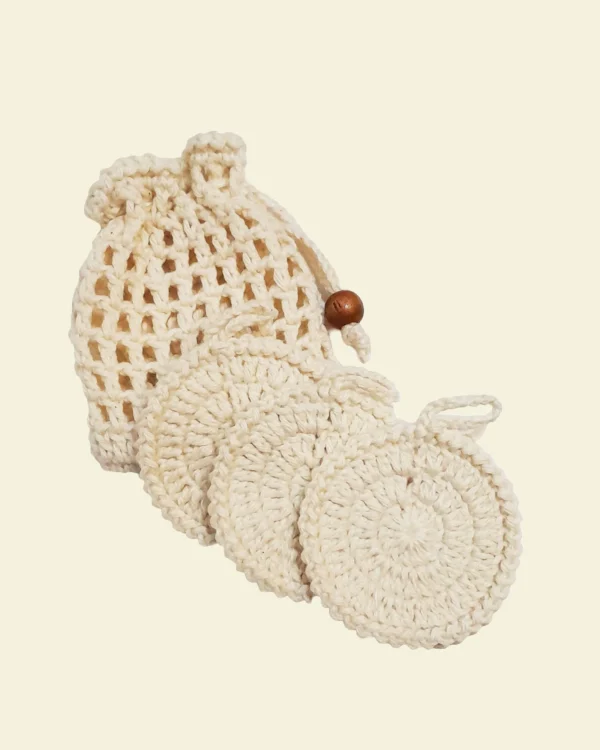
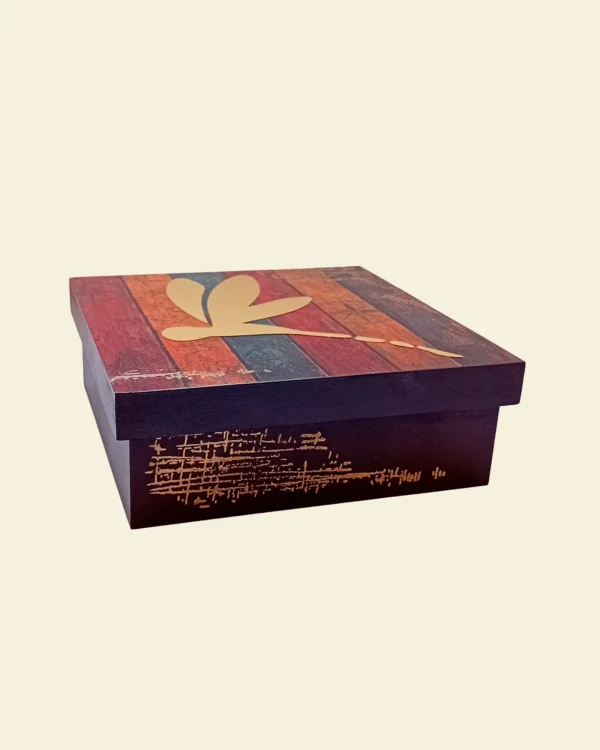
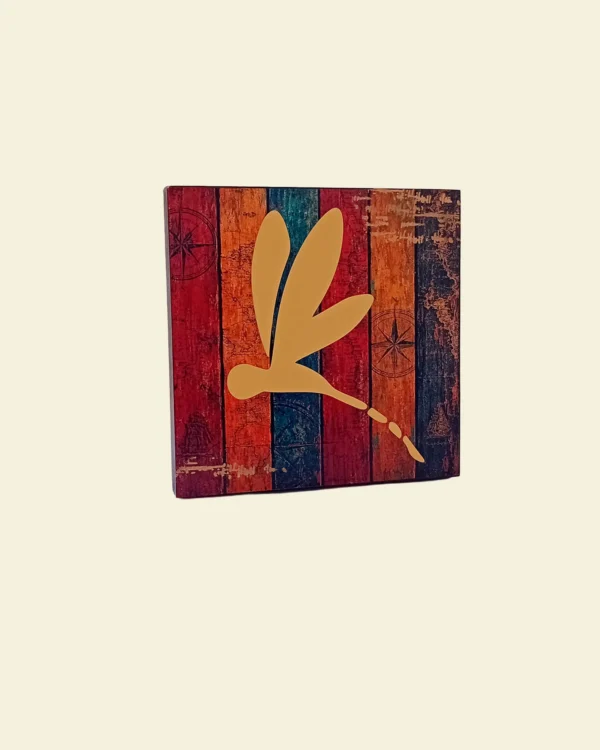
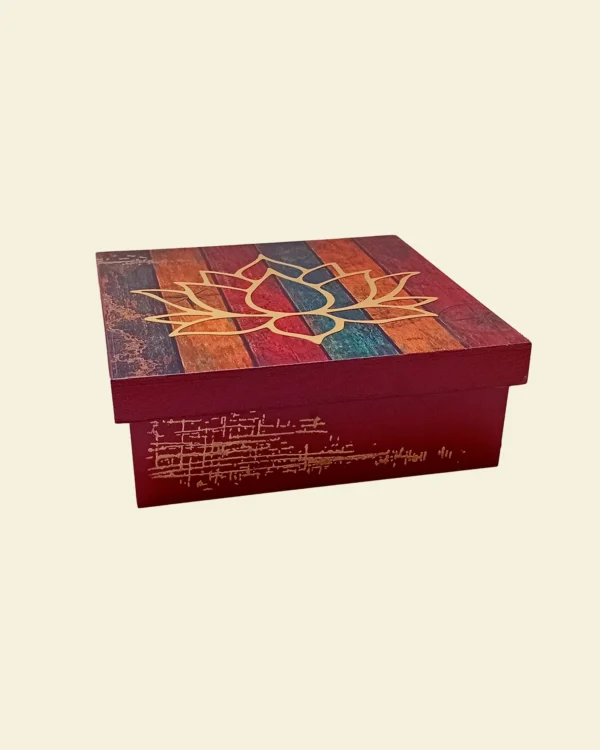
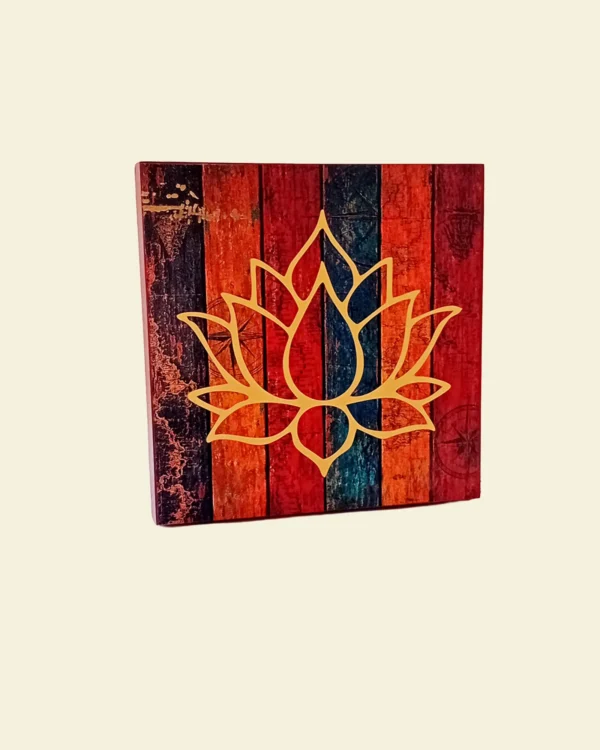
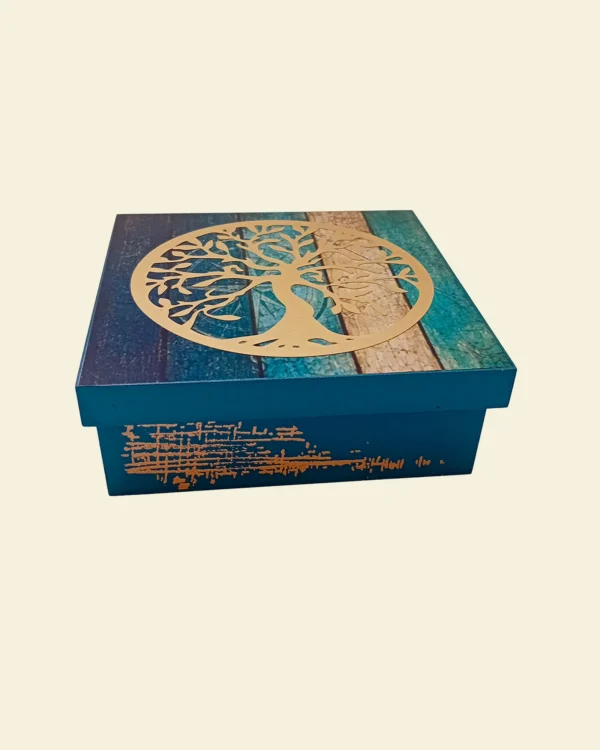
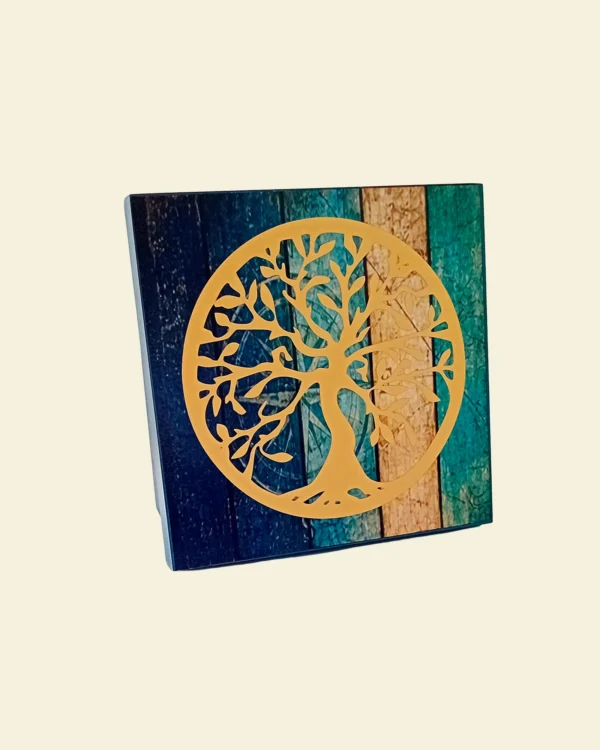
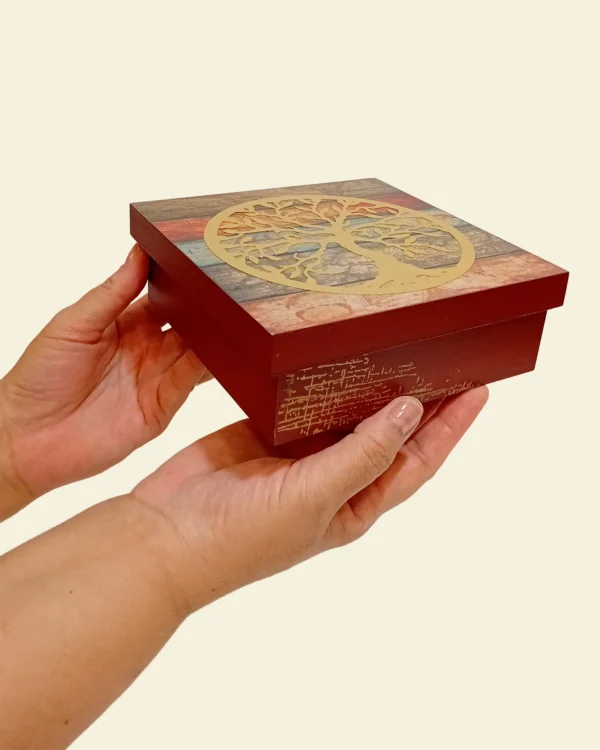
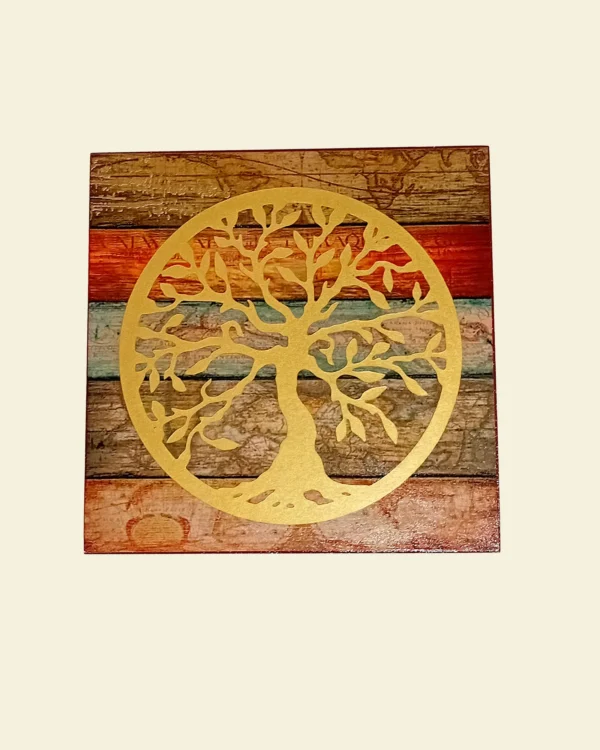
- TodayLau decorates boxes, crochets and paints decorations at home in Salvador.
Its crafts
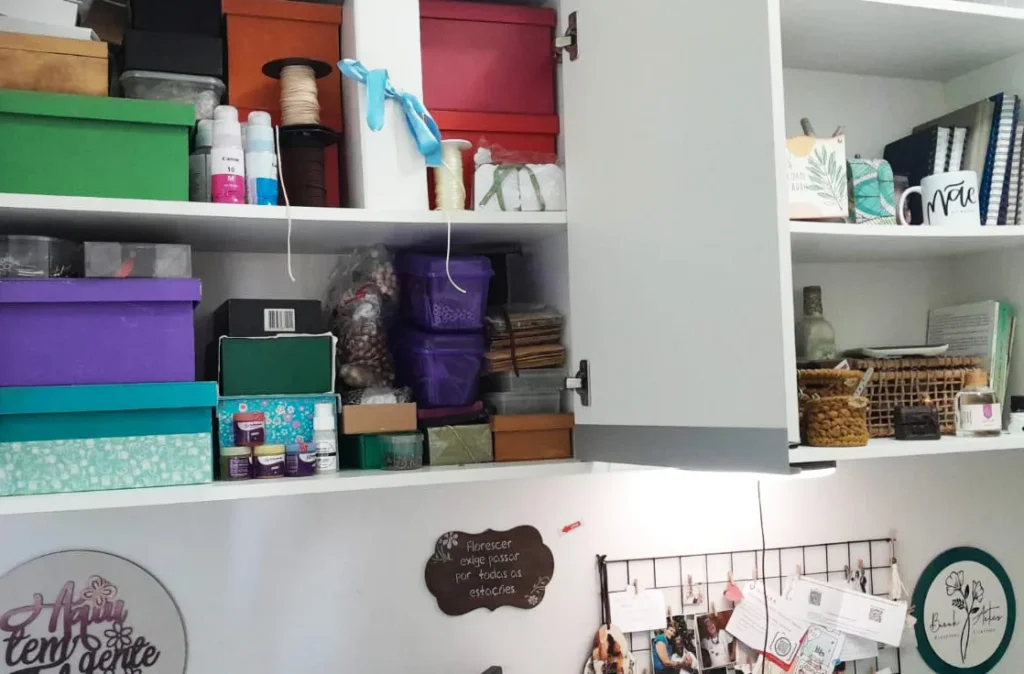
At the Mercado Modelo, near the port, they sell sculptures, baskets, percussion instruments and Bonfim ribbons. Much of Bahia’s craft is learnt at home, watching your mother or grandmother: sewing, crochet, painting. Lau taught herself and works in a room in her house, with a poster on the wall that says ‘Aqui tem gente feliz’ (‘There are happy people here’).
Customs and festivals
Life happens in the street, with music. On Sundays you go to the beach or out for a moqueca; on Tuesday evenings the Pelourinho fills with drums. People greet each other with a hug and wish each other luck with a ribbon on the wrist.