
BakeA
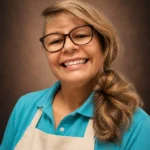
Amaia
‘Every row of crochet is a moment of peace.’
Amaia makes BakeA bags by hand in Saint-Jean-de-Luz, on the coast of the Northern Basque Country. She crochets them in chunky T-shirt yarn, in colours full of character, in two styles: Ake and Rika.
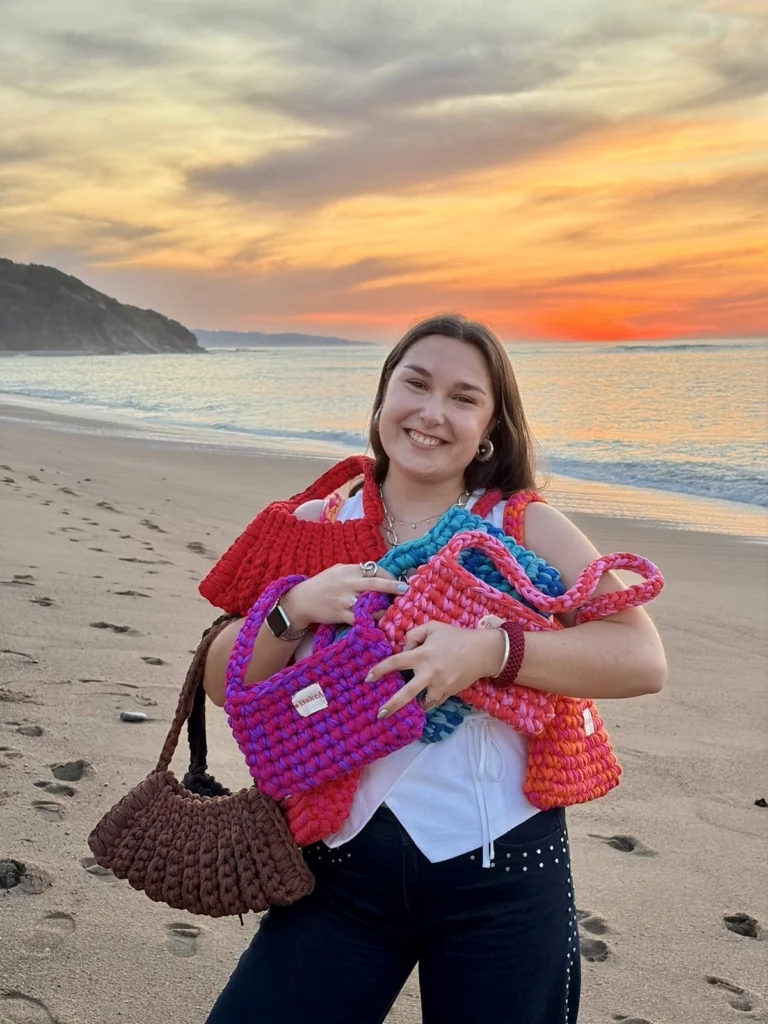
 Hi, I’m Amaia
What I have in the workshop today
Crochet bags by BakeA
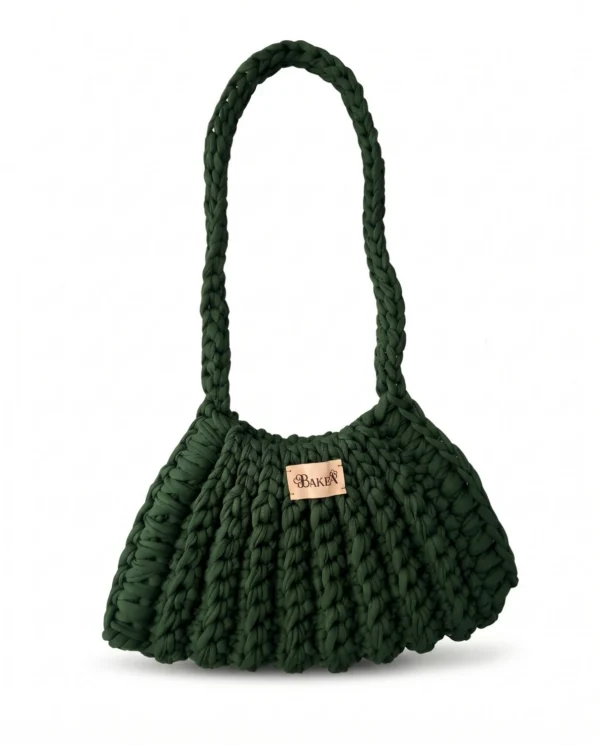
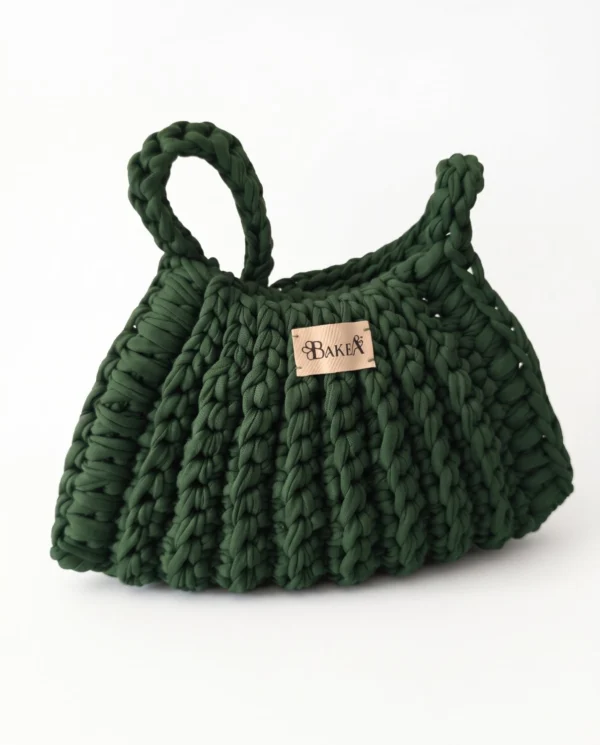 One of a kindCrochet bag Rika, greenT-shirt yarn · trapeze shape€110.00VAT includedAdd piece
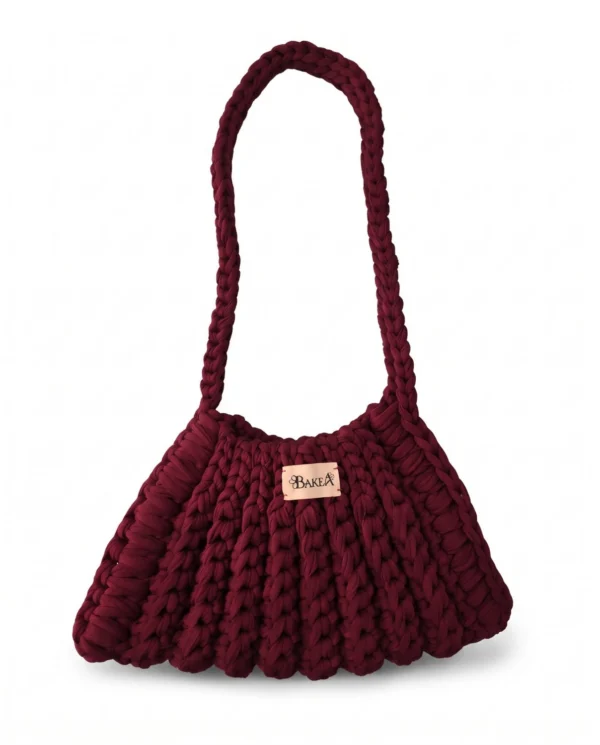
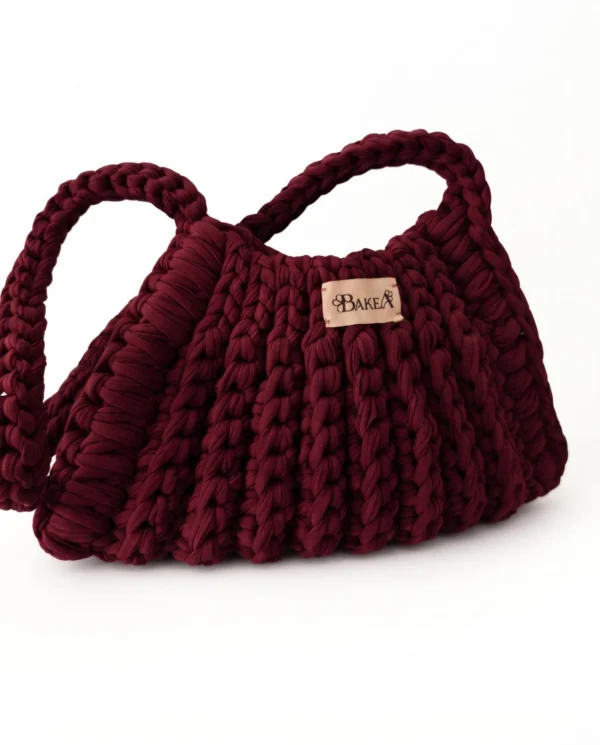 One of a kindCrochet bag Rika, wineT-shirt yarn · trapeze shape€110.00VAT includedAdd piece
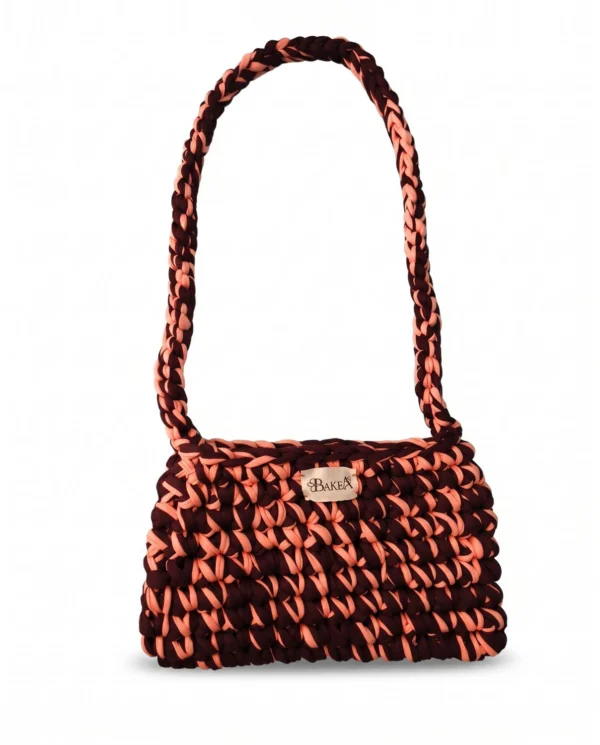
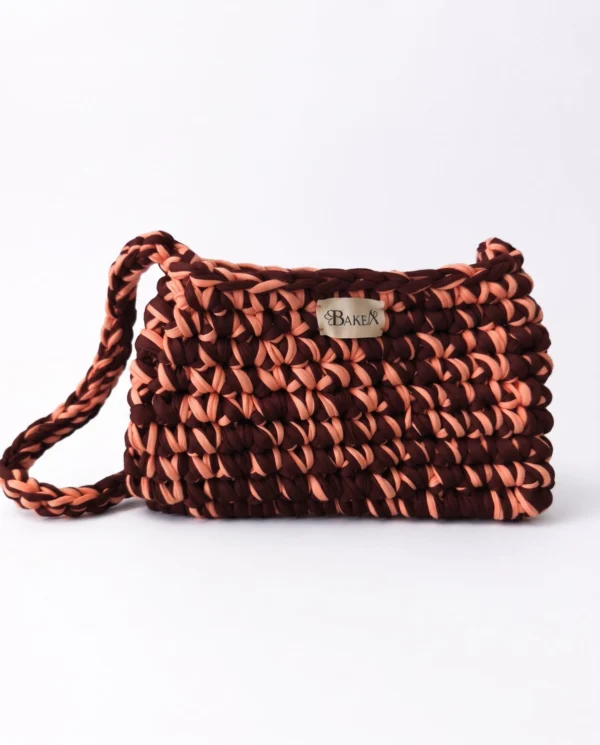 One of a kindCrochet bag Ake, salmon and wineT-shirt yarn · rectangular€95.00VAT includedAdd piece
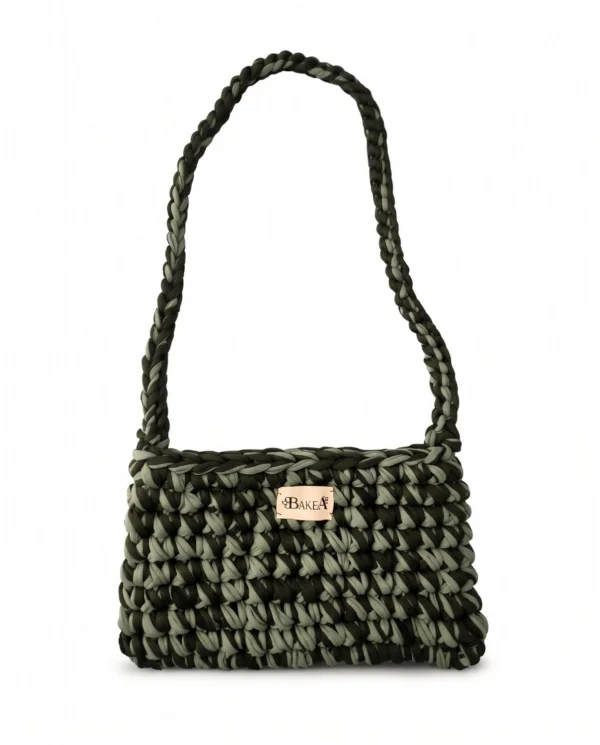
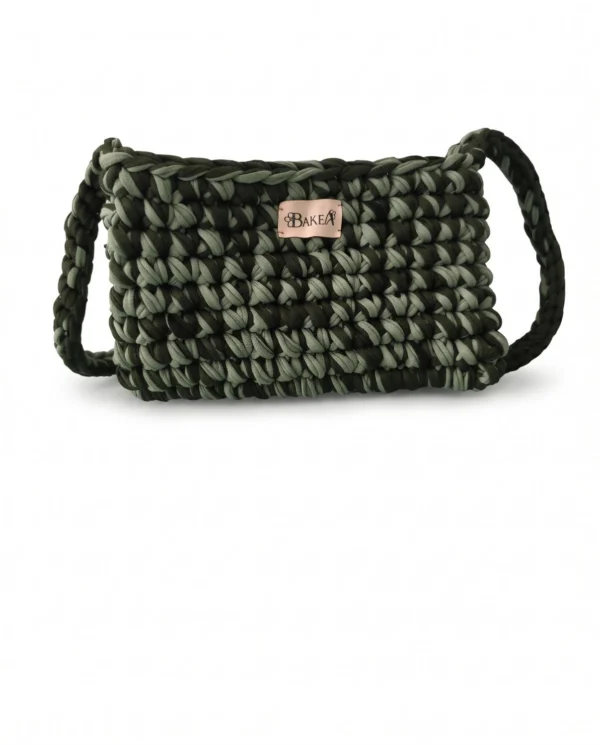 One of a kindCrochet bag Ake, light and dark greenT-shirt yarn · rectangular€95.00VAT includedAdd piece
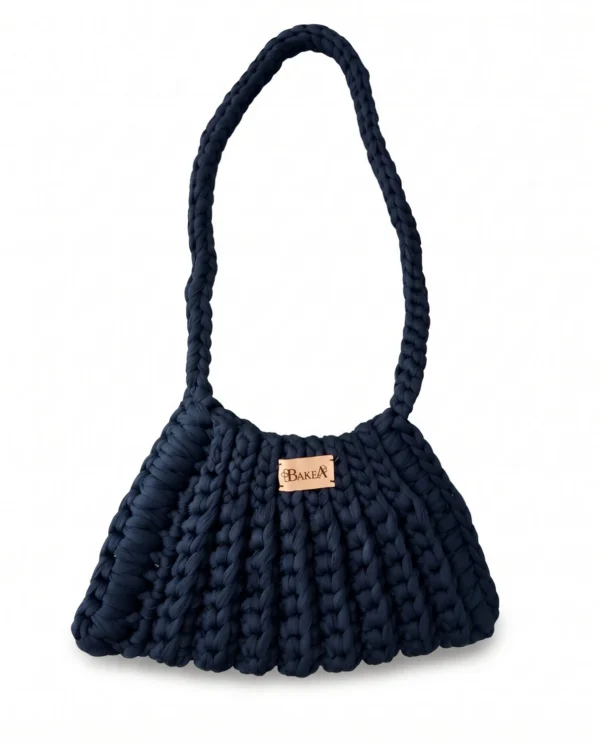
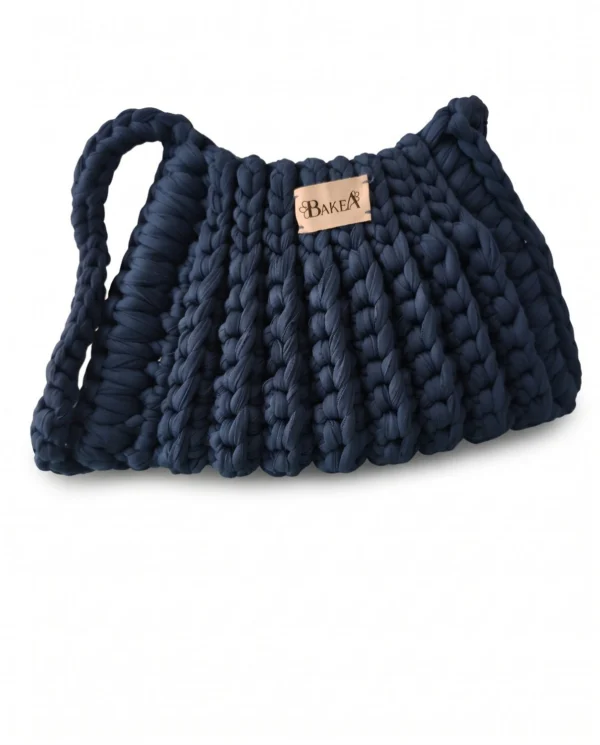 One of a kindCrochet bag Rika, blueT-shirt yarn · trapeze shape€110.00VAT includedAdd piece
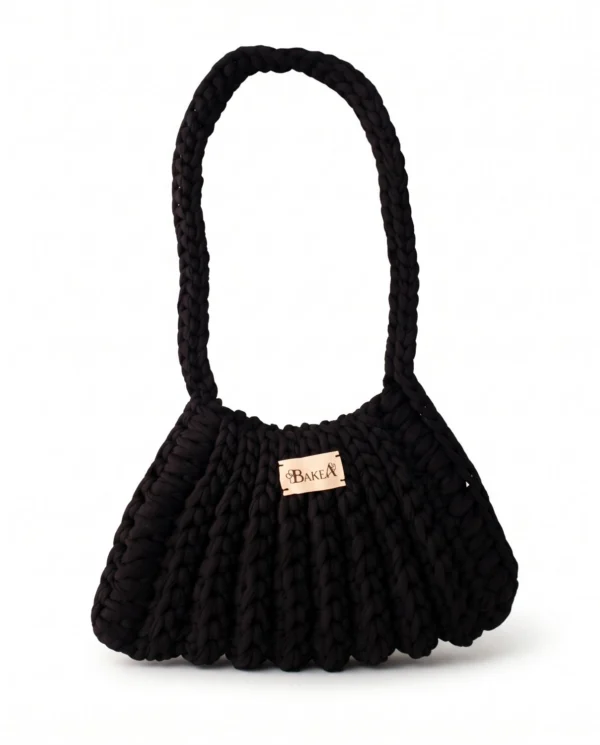
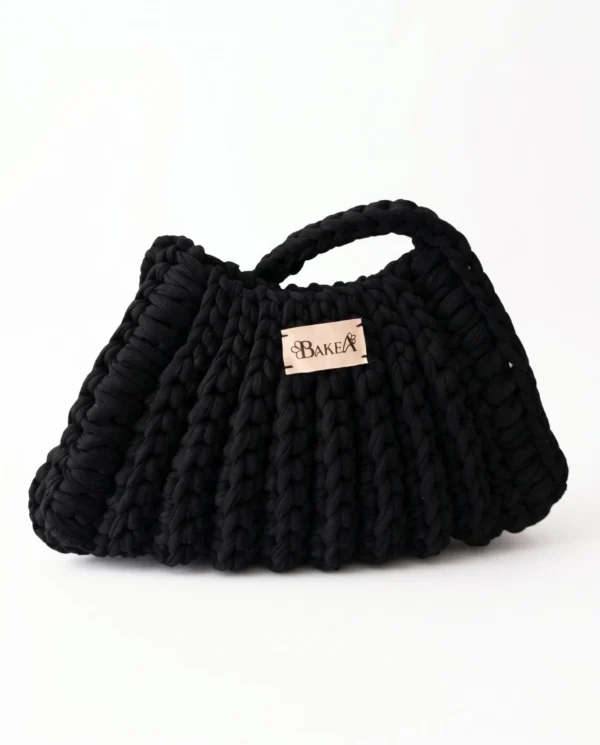 One of a kindCrochet bag Rika, blackT-shirt yarn · trapeze shape€110.00VAT includedAdd piece
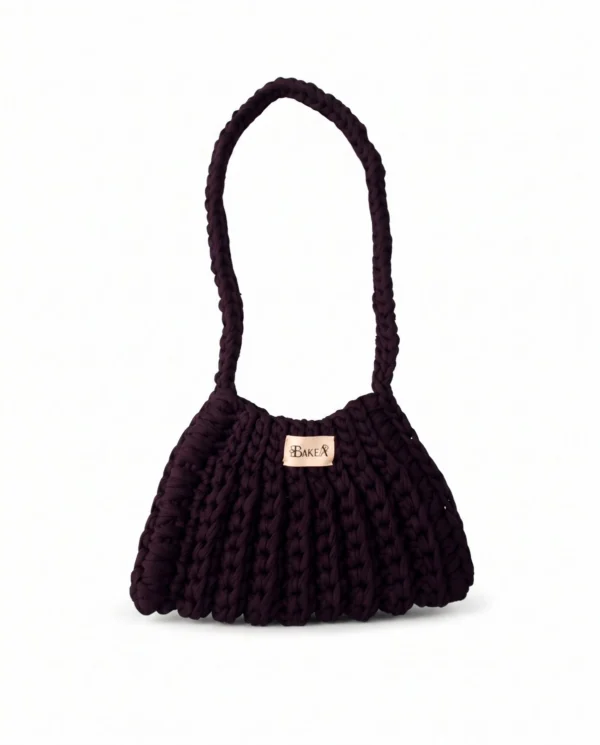
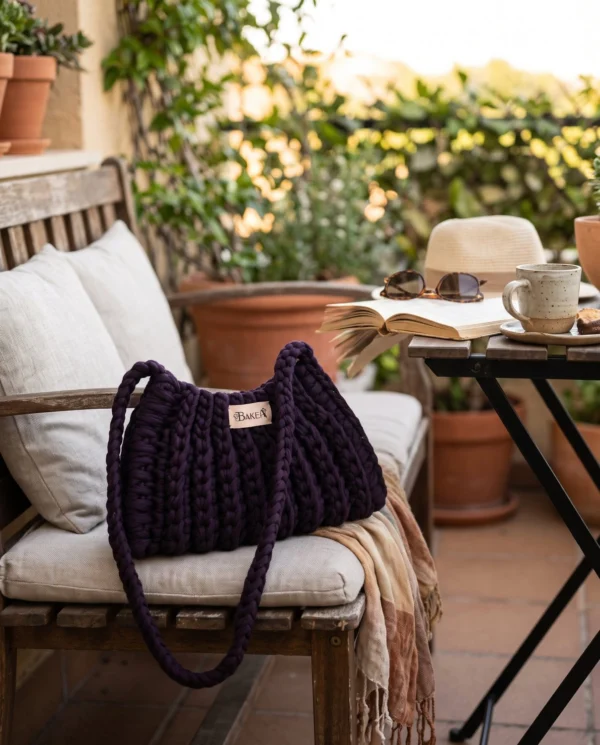 One of a kindCrochet bag Rika, petrol blueT-shirt yarn · trapeze shape€110.00VAT includedAdd piece
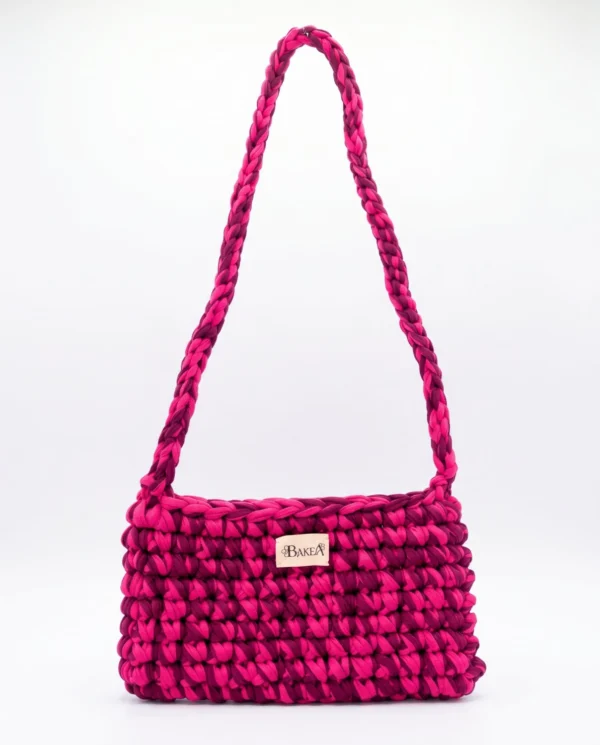
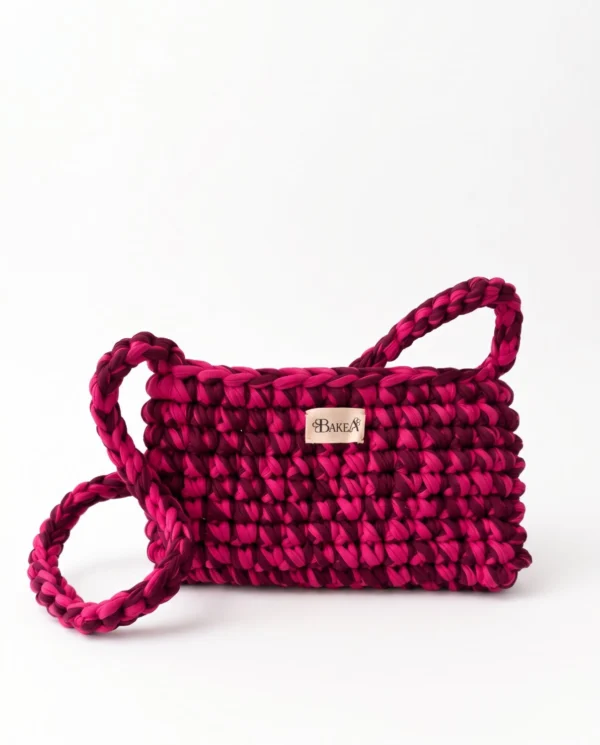 One of a kindCrochet bag Ake, fuchsia and wineT-shirt yarn · rectangular€95.00VAT includedAdd piece
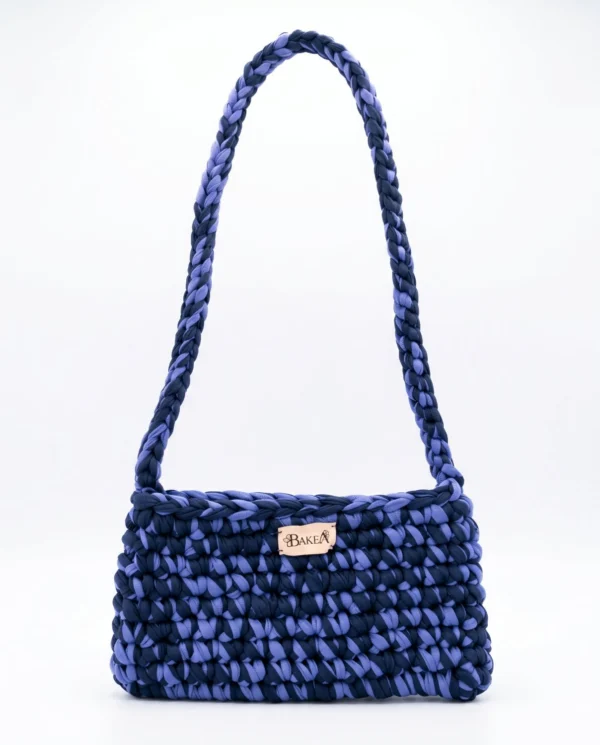
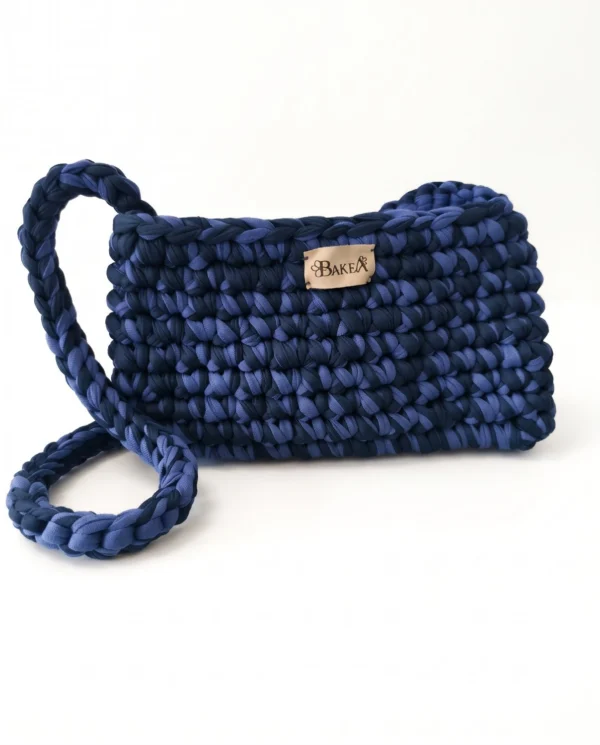 One of a kindCrochet bag Ake, light and dark blueT-shirt yarn · rectangular€95.00VAT includedAdd piece
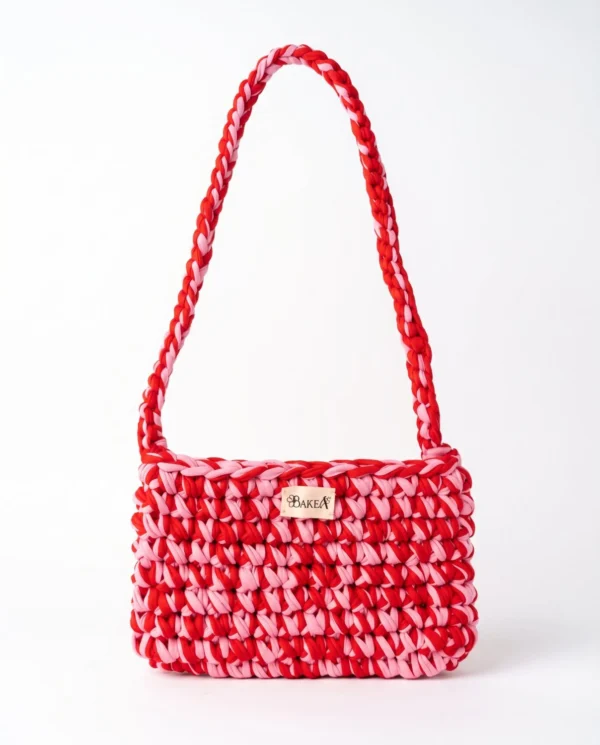
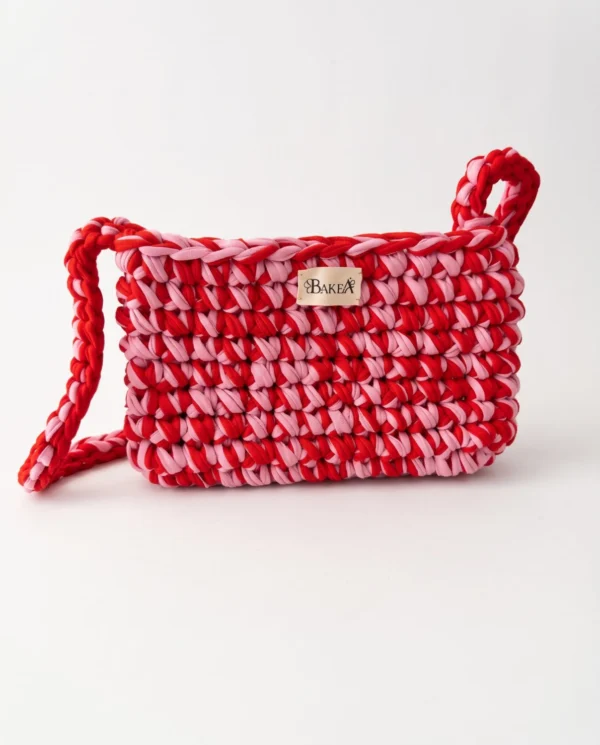 One of a kindCrochet bag Ake, pink and redT-shirt yarn · rectangular€95.00VAT includedAdd piece
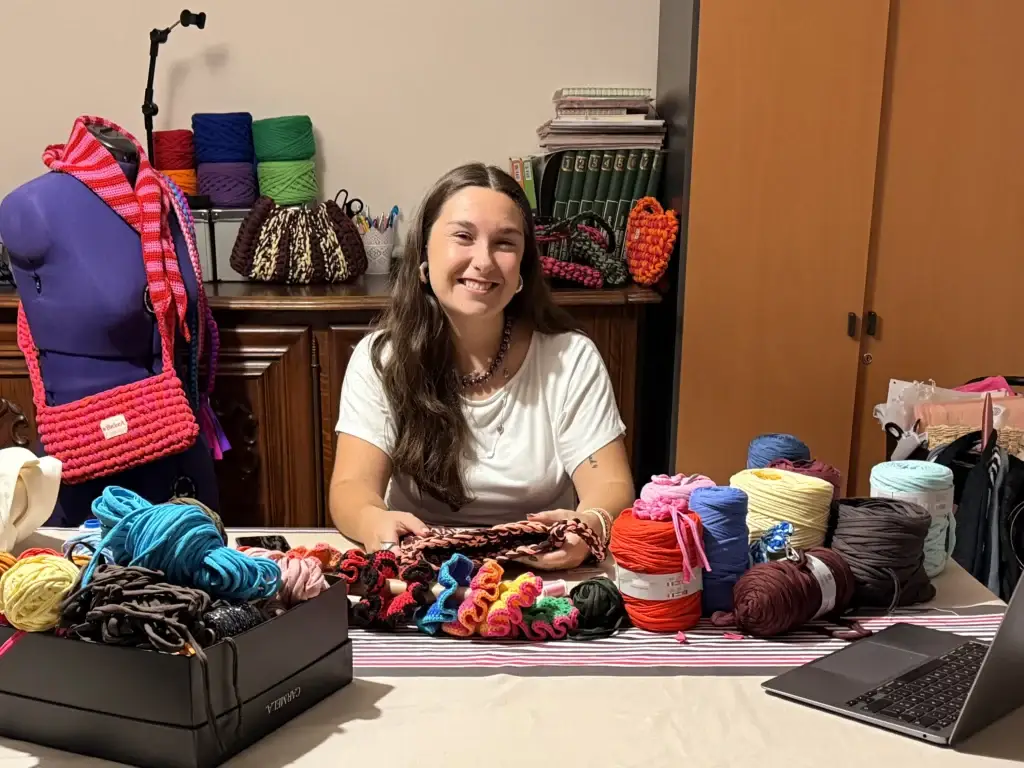
Who Amaia is
Amaia makes bags by hand in Saint-Jean-de-Luz and signs them with one word: BakeA.
HER HOMELAND
Saint-Jean-de-Luz, Donibane Lohizune in Basque: a fishing port on the coast of Iparralde, between the bay and the mountains. Basque is her language, and that’s why her brand speaks Basque.
THE NAME
Bakea means ‘peace’. It’s the word on the label she sews onto every bag.
THE YARN
T-shirt yarn, a thick, soft ribbon of fabric. In crochet every stitch stands out, nice and chunky: you can tell the bag is handmade the moment you touch it.
THE STYLES
Ake is rectangular and mixes two colours that cross stitch after stitch: fuchsia and burgundy, pink and red, sky blue and navy. Rika is trapeze-shaped, with a ribbed texture that flares towards the bottom, in a single colour.
— Amaia
This is how I work
This is how I work.
- 01Amaia chooses the colours: one for Rika, two for Ake, crossing on every row.
- 02She crochets the base and works upwards, row after row, until the bag takes shape.
- 03She makes the handle with the same T-shirt yarn and attaches it very firmly, so it holds all day.
- 04Finally, she adds the fastening and sews her label on the front: BakeA.
Ask me anything
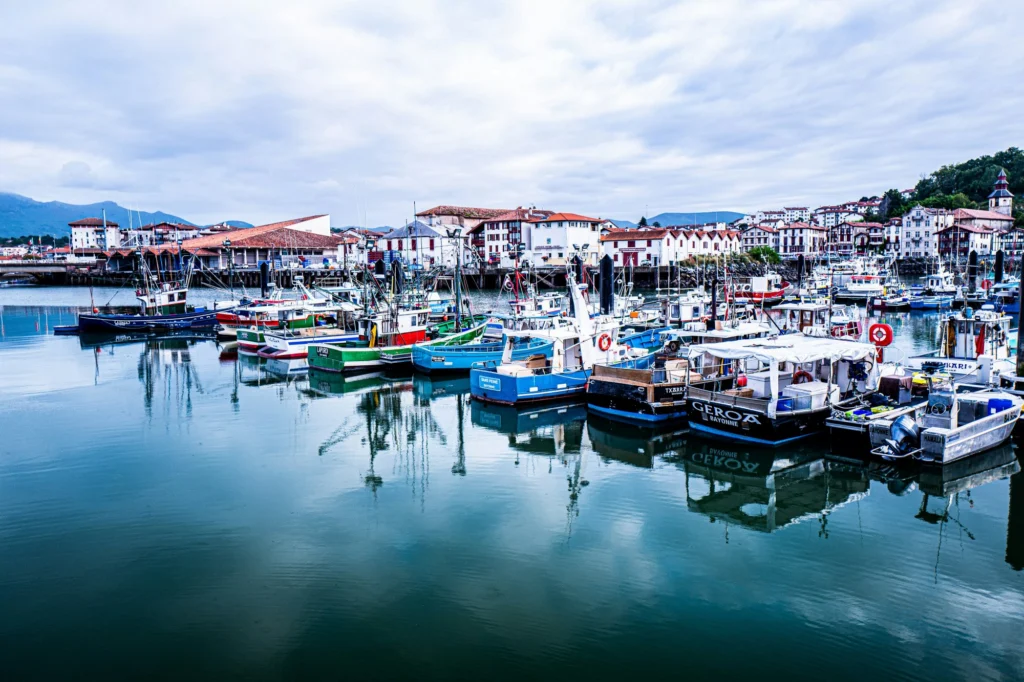 Saint-Jean-de-Luz · Northern Basque Country
Where it comes from
Amaia works in Saint-Jean-de-Luz
The place
Saint-Jean-de-Luz is a fishing port on the coast of Labourd, in Iparralde, the French side of the Basque Country. The Nivelle river separates it from Ciboure, its sister town, and three sea walls close the bay so the sea doesn’t come in during storms. Behind it you can see La Rhune, everyone’s mountain. The houses are white, with timber frames and red or green shutters, and in the street you hear Basque and French.
Discover the culture of Saint-Jean-de-LuzFrequently asked questions
What is T-shirt yarn?
A thick, soft ribbon of fabric that is worked like wool. It makes light bags that stand up to everyday use and have lots of texture.
What’s the difference between Ake and Rika?
Ake is rectangular, in two colours, with a long handle to wear on the shoulder. Rika is trapeze-shaped with a ribbed texture, in a single colour, and can be worn on the shoulder or carried by hand.
Are they all the same?
No. Amaia makes them one by one, so each bag has its own stitches and shape. There is only one in each colour.
How much does Amaia receive?
35 € for each Ake and 40 € for each Rika: what she asks for her work.
How do I wash it?
By hand, in cold water with a mild soap, without wringing. Leave it to dry flat.